The Anthropology of Organized Crime – The Study of a Multifaceted Global Phenomenon

Anthropologists study organized crime in a number of ways, including ethnographic research, participant observation and interviews.

Anthropology is the study of human beings in their social and cultural contexts. This includes everything from the way we interact with each other, to the way our societies are structured, to the way our cultures shape who we are as individuals. It is a fascinating field of study that can tell us a great deal about ourselves and the world around us.
This academic discipline is not just about studying cultures from a distance. It also involves getting out into the field and interacting with the people who are part of those cultures. This can involve doing things like living with a tribe for some time, or interviewing people about their lives and customs. By engaging directly with the people they are studying, sociocultural anthropologists gain a deeper understanding of their cultures and the ways they interact with the world around them.
Anthropologists study organized crime in a number of ways, including ethnographic research, participant observation and interviews.
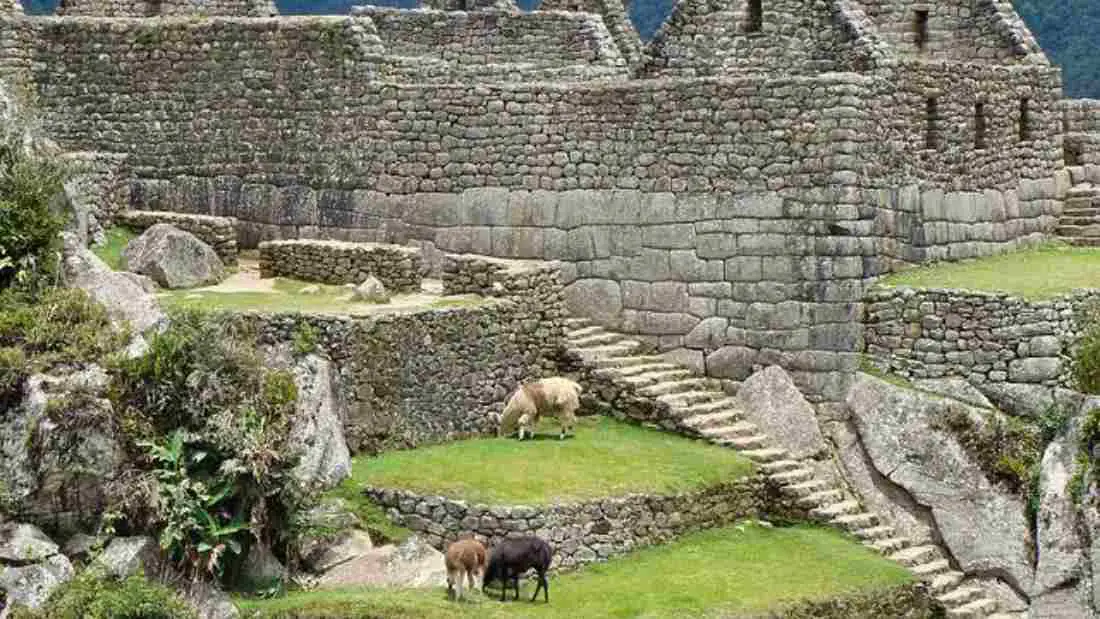
The Wari culture, a pre-Inca Middle Horizon civilization that thrived in the south-central Andes and coastal region of present-day Peru from roughly AD 500 to AD 1000, was considered to have built the site as a royal cemetery.
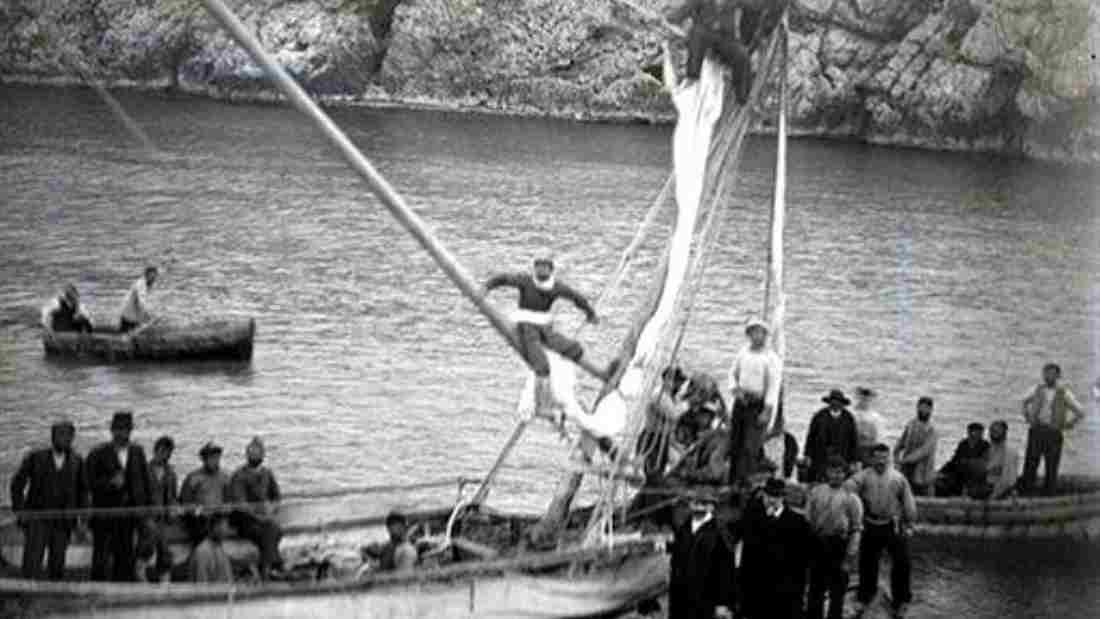
The Antikythera Wreck, or Ναυάγιο των Αντικυθήρων in Greek, is a shipwreck from the Roman era that occurred in the second quarter of the first century BC.
Archaeologists have discovered an Inca-era tomb that contains ceramics and priceless decorations in addition to cloth-wrapped human remains, under a house in the working-class neighbourhood of San Juan de Lurigancho in Lima, Peru’s capital.
When drought struck in February 2022, the Spanish town of Aceredo reappeared, and details of a life locked in time were once again unearthed.
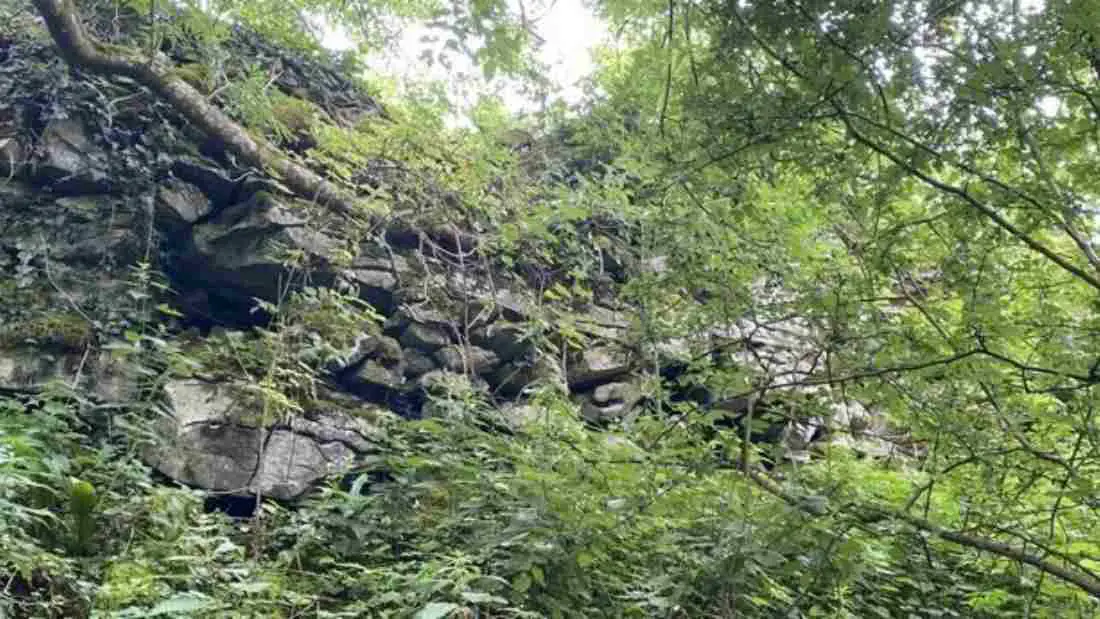
According to estimates, the fort measures roughly 400m north-south by 110m east-west, and several hundred people would have lived there. According to Mr. Gibbons, the location resembles a massive lake home that makes unique use of the turloughs and is situated in a surreal setting.
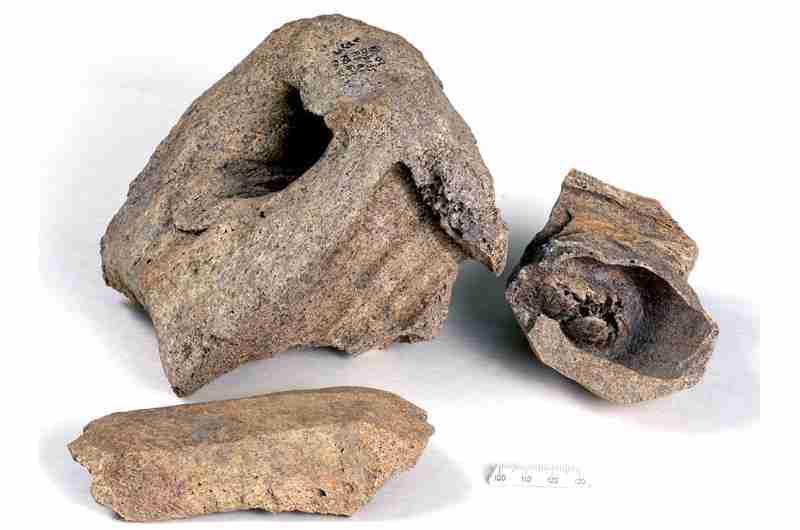
“Walrus ivory was a very popular raw material in Europe in the Middle Ages. It was used to create the most exquisite objects in church art, but gradually also finer versions of everyday objects like game pieces and knife handles.”
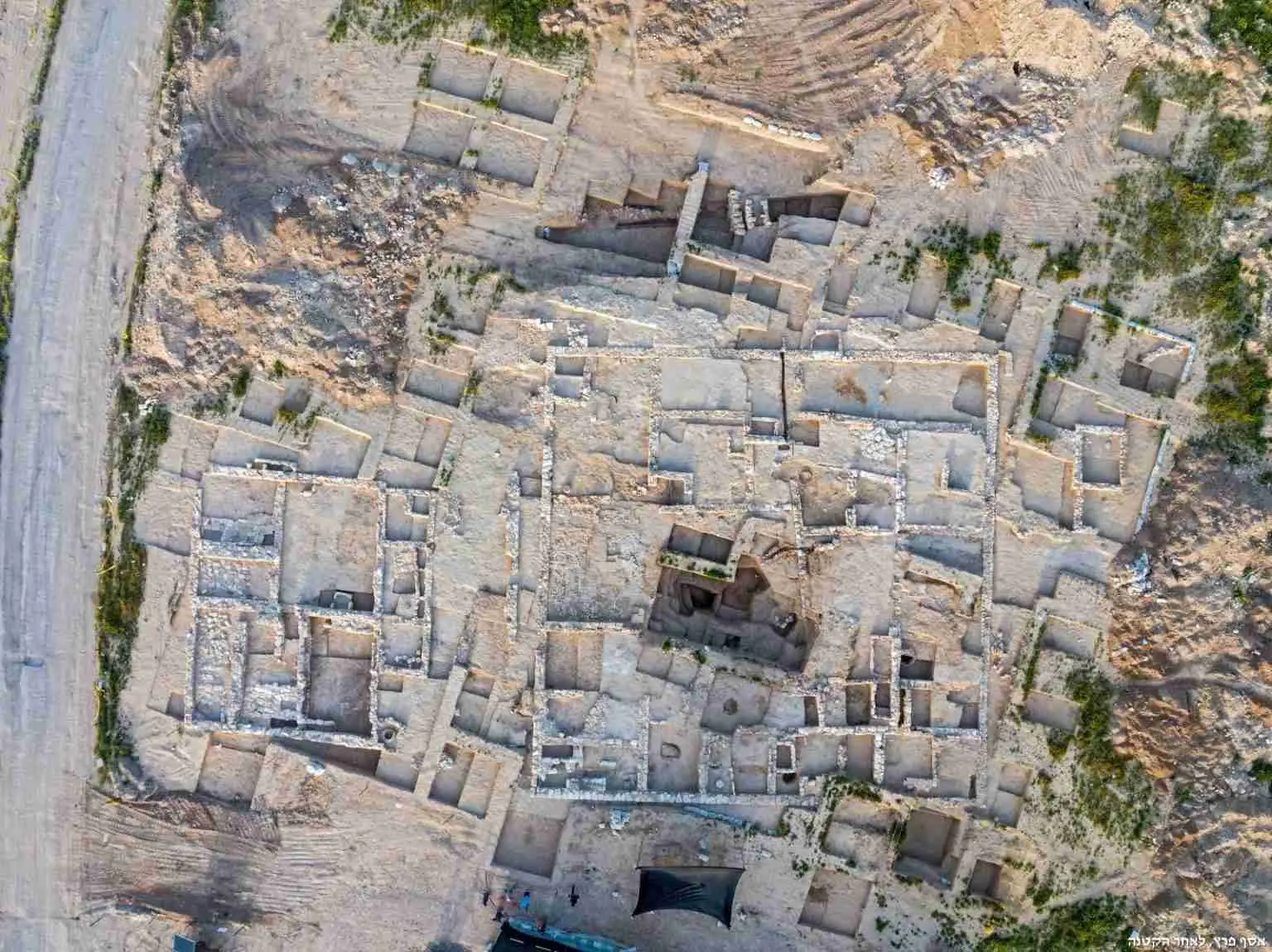
The mosque was constructed circa 1200 years ago, when control of the region passed from Christian to Muslim rule. It consists of a square room, with a wall that faces Mecca and a niche that is half-circular and points south.

The only way to stop such diseases in their tracks is to have equitable access to quality care and prevention measures for all, regardless of where they live.
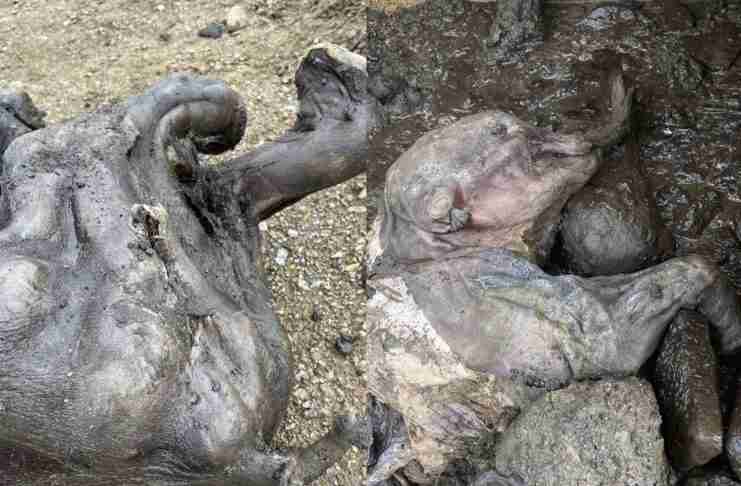
Gold miners working in the Klondike gold fields, which are a part of the Trondok Hwchin’s traditional tribal homeland in the Yukon, Canada, have unearthed a preserved baby mammoth.