

In today’s fast-paced world, brands are increasingly turning to consumer anthropology to stay in tune with the ever-evolving cultural landscape. Understanding and identifying cultural trends have become paramount for businesses aiming to connect with their target audience and stay ahead of the competition.
What is Consumer Anthropology?
Consumer anthropology explores the behaviours, motivations, and cultural contexts of consumers. By delving into the cultural norms, values, and everyday practices of target audiences, businesses can gain deeper insights into what drives consumer decisions.
Anthropologists study consumers in their natural environments through observations, interviews, and participation, offering a holistic view of their experiences. Unlike traditional market research, consumer anthropology prioritizes understanding the ‘why’ behind consumer actions, helping brands to develop products, services, and marketing strategies that resonate more authentically with their audience.

Case Studies of Brands That Got It Right
By harnessing cultural anthropology, brands can align themselves with societal movements and trends, creating campaigns that speak directly to the values and emotions of their consumers. This approach not only enhances brand relevance but also fosters deeper connections and loyalty.
Case Study 1: Nike’s “Dream Crazy” Campaign
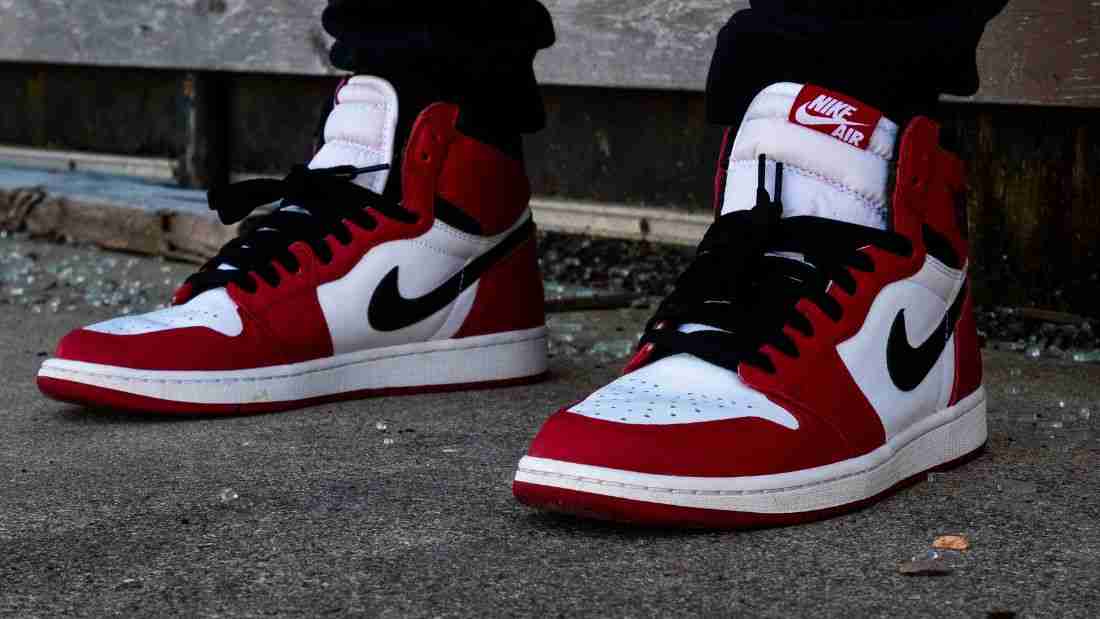
Nike’s “Dream Crazy” campaign, featuring former NFL player Colin Kaepernick, is an excellent example of successfully leveraging cultural trends to make a strong social statement.
Launched at a pivotal moment when social justice and diversity were at the forefront of public discourse, Nike took a bold step by aligning itself with Kaepernick’s stance against racial inequality and police brutality, while also encouraging individuals to pursue their dreams, regardless of the challenges they might face.
Despite facing significant backlash and criticism from various groups, Nike’s decision to champion these themes struck a chord with a significant segment of its audience. The campaign ignited extensive discussions and engagement across social media, highlighting the impactful nature of brand activism.
Case Study 2: Starbucks’ Pumpkin Spice Latte
Starbucks transformed the simple Pumpkin Spice Latte into a cultural phenomenon by cleverly tapping into the seasonal excitement and nostalgia associated with fall.
The beloved limited-time offering, which features a rich blend of pumpkin, cinnamon, nutmeg, and clove, has become synonymous with the arrival of autumn, evoking memories of cozy sweaters, falling leaves, and festive gatherings.
As a result, the drink has sparked countless social media conversations, inspired recipes, and even led to a range of related merchandise, further solidifying its status as a fall staple.

Case Study 3: Dove’s Real Beauty Campaign
Dove’s “Real Beauty” campaign boldly challenged societal beauty norms by celebrating a wide range of diverse body types, ages, and ethnicities, thereby redefining conventional beauty standards.
This ground-breaking campaign tapped into the growing movement of body positivity and self-acceptance, which advocates for individuals to embrace their unique features and reject unrealistic portrayals of beauty often seen in media and advertising.
By aligning with these cultural movements and engaging with real women rather than models, Dove succeeded in building a strong emotional connection with its audience, fostering brand loyalty and a sense of community among those who felt represented and valued.

Case Studies of Brands That Got It Wrong
While many brands have successfully harnessed consumer anthropology to connect meaningfully with their audience, others have faltered by failing to understand the cultural nuances of their customers.
Case Study 4: Pepsi’s Ad Featuring Kendall Jenner
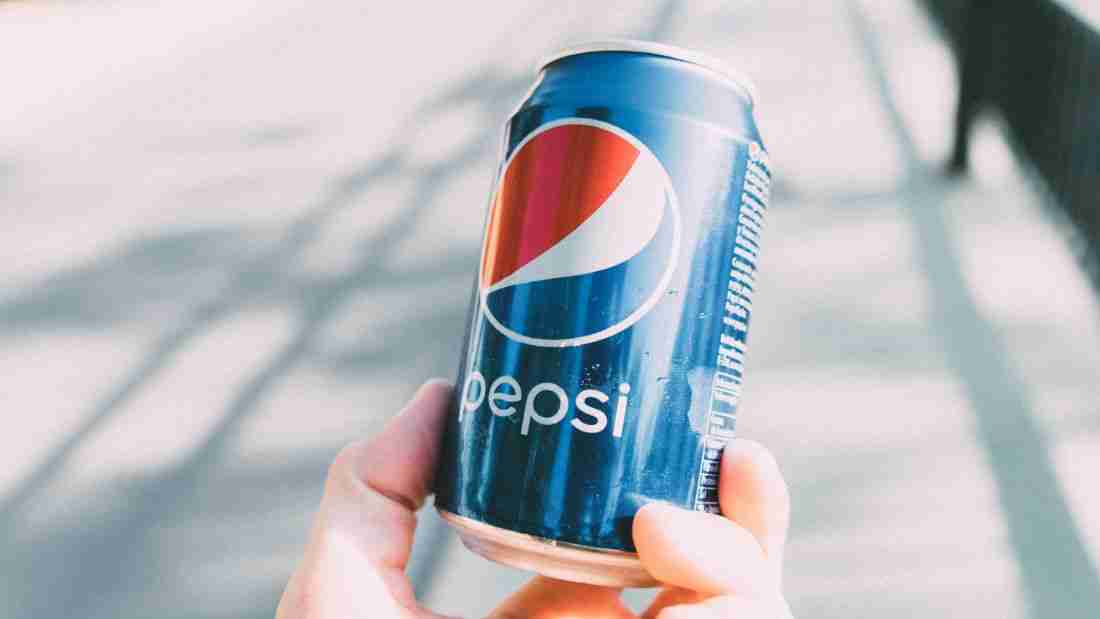
An infamous example of how a brand can get it wrong is Pepsi’s 2017 advertisement featuring the well-known model Kendall Jenner. The ad, which aimed to convey a message of unity and peace amidst social unrest, was met with widespread criticism for its failure to respect and accurately portray serious social activism movements.
In the controversial commercial, a scene is depicted where a tense social protest appears to find resolution when Jenner approaches a line of police officers and hands one of them a can of Pepsi. This moment was interpreted by many as the brand trivializing complex societal issues and reducing serious activism to a mere marketing tactic.
Critics argued that the advertisement oversimplified the struggles faced by marginalized communities and showcased a glaring lack of sensitivity towards the real-life tensions and challenges of social justice movements.
The backlash was swift, prompting Pepsi to pull the ad and issue an apology, highlighting the fine line brands must navigate when engaging with social issues.
Case Study 5: H&M’s and the “Coolest Monkey in the Jungle”
Another notable misstep was H&M’s 2018 incident where a sweatshirt advertised on their website depicted a young Black boy wearing a hoodie with the slogan “Coolest Monkey in the Jungle.”
The image, which many perceived as insensitive and racially charged, sparked outrage globally as it inadvertently invoked harmful racist stereotypes that have long plagued society.
Critics condemned the brand for its lack of cultural awareness and the insensitivity displayed in its marketing choices. The backlash was swift and severe, leading to protests and social media campaigns calling for accountability.
In response to the uproar, H&M was forced to pull the product from shelves and issue a public apology, emphasizing the critical necessity of cultural awareness and sensitivity in marketing strategies.
Conclusion
The case studies mentioned above highlight the crucial importance of thoroughly understanding the cultural context of an audience.
Brands that fail to recognize cultural signals or misunderstand their implications may inadvertently alienate consumers, leading to significant reputational harm.
Conversely, acknowledging and honouring the rich diversity and complexity of cultural expressions allows brands to create messages that connect positively and authentically with their audience.
Consumer anthropology plays a vital role in helping brands navigate these cultural nuances effectively. By studying consumer behavior in its cultural context, anthropologists can help brands gain insights into the values, beliefs, and practices that shape their target audience’s preferences.
This understanding enables brands to tailor their messaging and marketing strategies to align with the audience’s cultural identity, fostering a sense of connection and relevance. Ultimately, consumer anthropology empowers brands to engage meaningfully with their audiences, enhancing brand loyalty and reducing the risk of missteps in communication.

Claudine Cassar began her professional journey in business, earning a BSc in Business and Computing from the University of Malta, followed by an MSc in International Marketing from the University of Strathclyde and an MPhil in Innovation from Maastricht Business School. At the age of 23, she founded her first company, which she successfully sold to Deloitte 17 years later.
At 45, Claudine made a bold career shift, returning to university to pursue a degree in Anthropology. Three years later, she graduated with a BA (Hons) in Anthropological Sciences. In 2022, she published her debut book, “The Battle for Sicily’s Soul.“