Exploring the Evolution of Feminist Anthropology

Feminist anthropology has come a long way since its beginnings in the early 20th century.

This anthropology dictionary provides definitions for some of the most commonly used terms in anthropological research.
Feminist anthropology has come a long way since its beginnings in the early 20th century.

Caudillismo is a form of dictatorship that relies on the personality of a strong leader to maintain power.
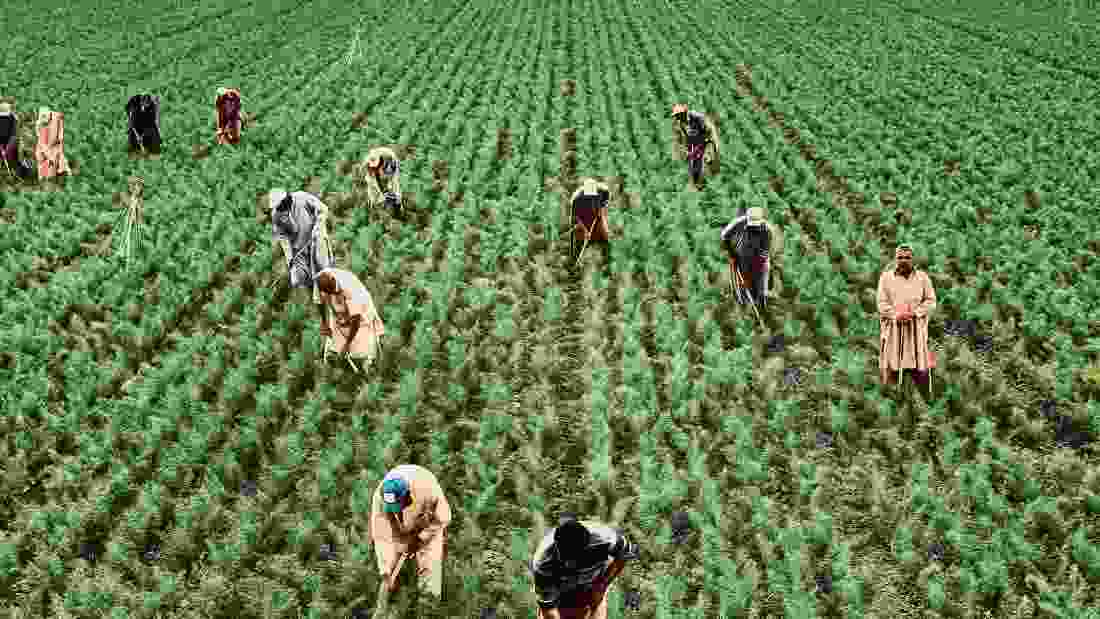
Cash crops are grown specifically for the purpose of making money, as opposed to subsistence farming, which provides for the farmer’s family.

Bilateral kinship refers to the system of descent in which an individual is related to both their mother & father’s side of the family.

Capitalism is an economic system in which the means of production are privately owned and used to generate profits.

The caste system is a form of social stratification in which people are grouped into hierarchical categories on the basis of their occupation, tribe, religion, or other factors.

The term “conspicuous consumption” was coined by Thorstein Veblen in his 1899 book The Theory of the Leisure Class.
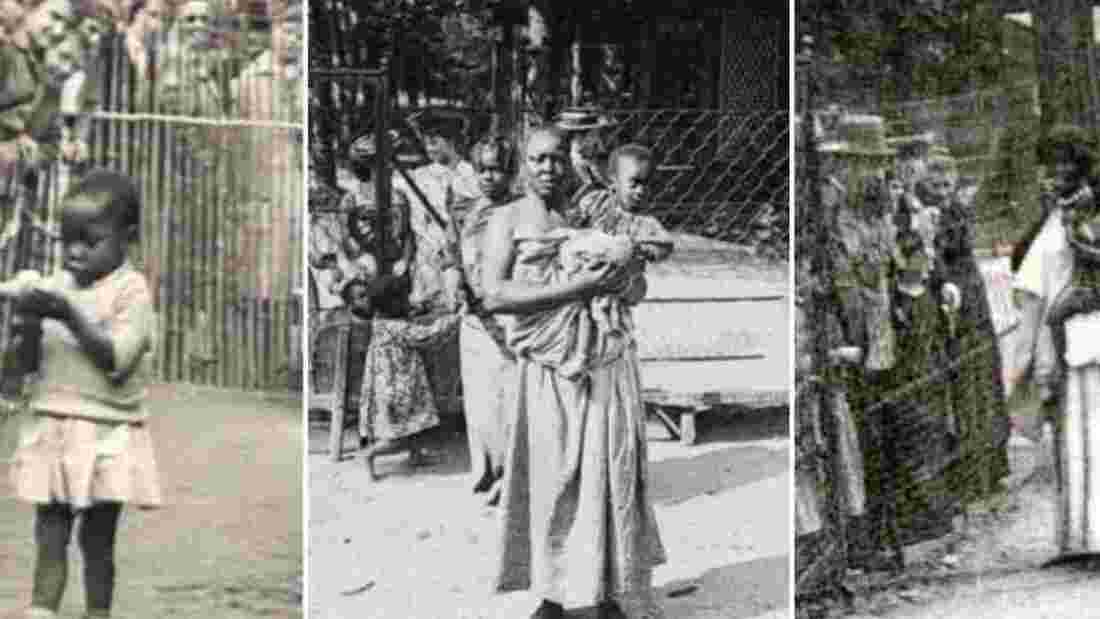
Fascist regimes have often used anthropologists to legitimize their policies and actions. For example, the Nazi regime relied on anthropologists to argue that Germans were a “Master Race” that was superior to all other peoples.

Capital is one of the three factors of production, along with labour and land. It is essential for the financing of the means of production.

Commensality refers to the sharing food and drink with others, either as a domestic unit or as a sign of hospitality and friendship.