Understanding Discrimination: What It Is and Why It Matters
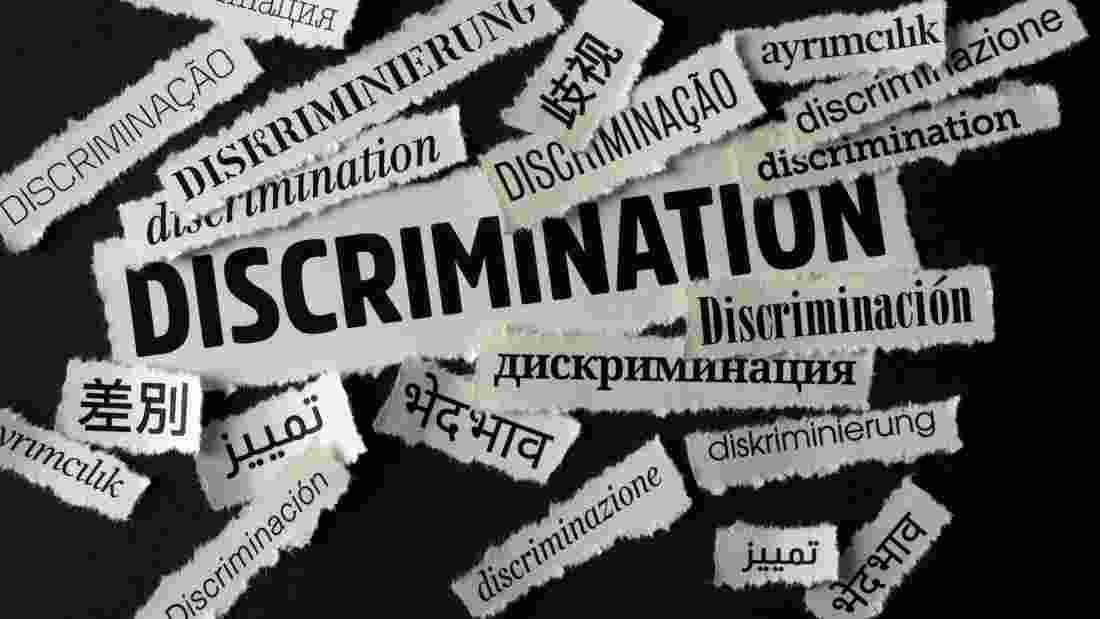
While discrimination is not always bad, in many cases it is unfortunately rooted in prejudice. In such situations, it is toxic and corrodes the fabric of society.

This anthropology dictionary provides definitions for some of the most commonly used terms in anthropological research.
While discrimination is not always bad, in many cases it is unfortunately rooted in prejudice. In such situations, it is toxic and corrodes the fabric of society.

Demography is the study of human populations, looking at a variety of factors, including age, gender, race, and geographical distribution.

The division of labour refers to the separation of tasks and responsibilities within a production process. It involves breaking down complex tasks into simpler, specialized tasks that can be performed by different workers.

Despotism is a form of government in which a single ruler has absolute power over the political and social life of a country. The ruler may be a monarch or an autocrat.

Cognatic kinship is also referred to as bilateral kinship, because it recognises both the mother and father’s side of the family.

Cline refers to the study by anthropologists of how certain physical or cultural traits can change gradually for a population.

In anthropology, cultural baseline refers to the state of a culture before it comes into contact with another culture.

Cognitive anthropology is the study of how people think, learn & remember. It examines the way that culture shapes these cognitive processes

Once they have achieved class consciousness, the proletariat can organize themselves and begin to fight for their rights.

Creole is a term that is used to describe a variety of different languages that are derived from French, Portuguese, and Spanish. These languages are often spoken in countries that were formerly colonized by these European nations.