
Claudine Cassar began her professional journey in business, earning a BSc in Business and Computing from the University of Malta, followed by an MSc in International Marketing from the University of Strathclyde and an MPhil in Innovation from Maastricht Business School. At the age of 23, she founded her first company, which she successfully sold to Deloitte 17 years later.
At 45, Claudine made a bold career shift, returning to university to pursue a degree in Anthropology. Three years later, she graduated with a BA (Hons) in Anthropological Sciences from the University of Malta.
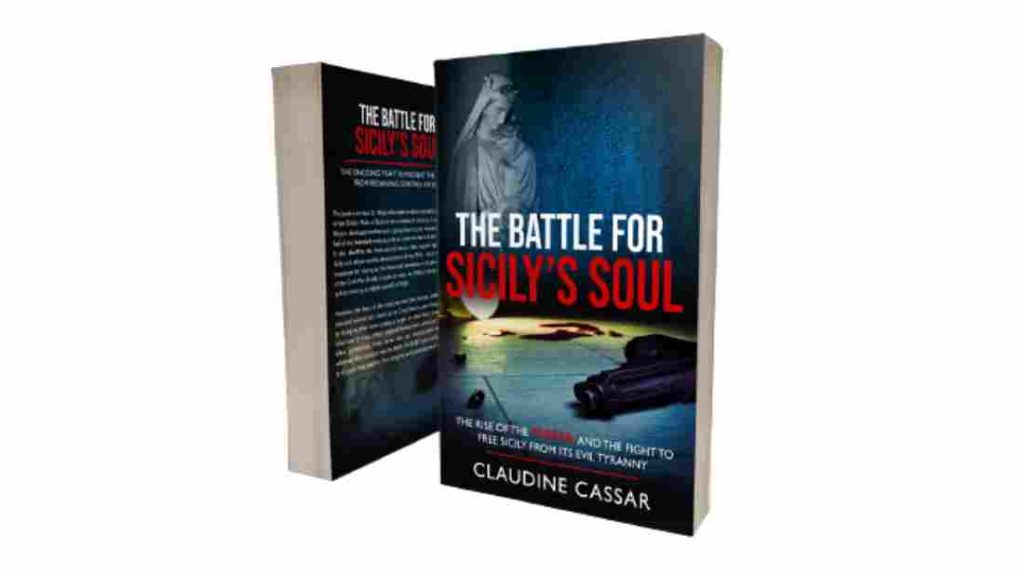
In 2022, she published her debut book, “The Battle for Sicily’s Soul“, which describes the history of the Sicilian Mafia from its beginnings in the 1800s to the present day and provides an in-depth look at the impact that Cosa Nostra has had on the Sicily’s culture and society.
Articles by Claudine Cassar

The Painted Skeletons of Çatalhöyük: Turkey’s Mysterious Burial Rituals
urkey. It is one of the most important archaeological sites in the Near East, and was inhabited from around 7500 BC to 5700 BC. What makes Çatalhöyük so unique is its painted skeletons.
US returns looted sculptures to Libya
“The return of these antiquities is a significant step forward in our continuing efforts to combat the illicit trafficking of cultural property,” said John Demers, the head of the Justice Department’s National Security Division.
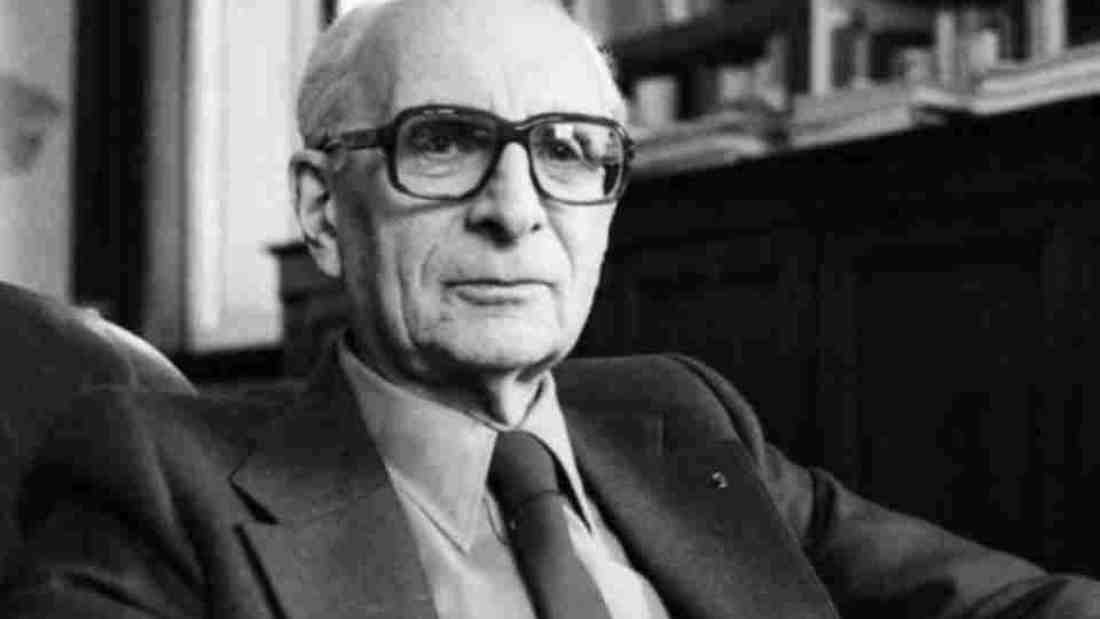
Claude Lévi-Strauss’s Structuralism and its Influence on Anthropological Thought
Claude Lévi-Strauss is considered the father of structural anthropology, a field which combines the methods and theories of anthropology with those of linguistics and psychoanalysis. His book Structuralism and Ecology is a seminal work in the development of this school of thought.
Educational Card Games on Spanish History by Ciudades en Juego
Do you want to learn more about Spanish history? If so, you should check out the educational card games related to Spanish history created by Ciudades en Juego.
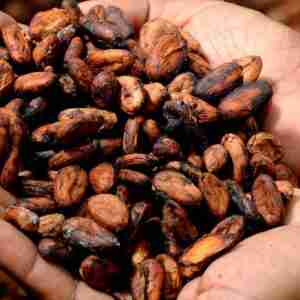
Ancient Maya Sacred Cacao Groves: Cultivating cacao trees in the shade of karst sinkholes
The Ancient Maya cultivated cacao trees in sacred groves located in the shade of karst sinkholes, which which were ideal for cacao cultivation
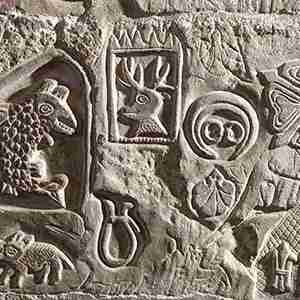
Carlisle Castle Restores 15th-Century Carvings Believed to Be by Prison Guards
In a painstaking restoration project, workers at Carlisle Castle in England have managed to uncover carvings that are thought to have been created by prison guards in the 15th century.
Clifford Geertz and the Thick Description of the Balinese Cockfight
The essay “Deep Play: Notes on the Balinese Cockfight” in the book The Interpretation of Cultures is an excellent example of how an ethnographer can use thick description to bring the vibrancy and significance of a social activity to life.
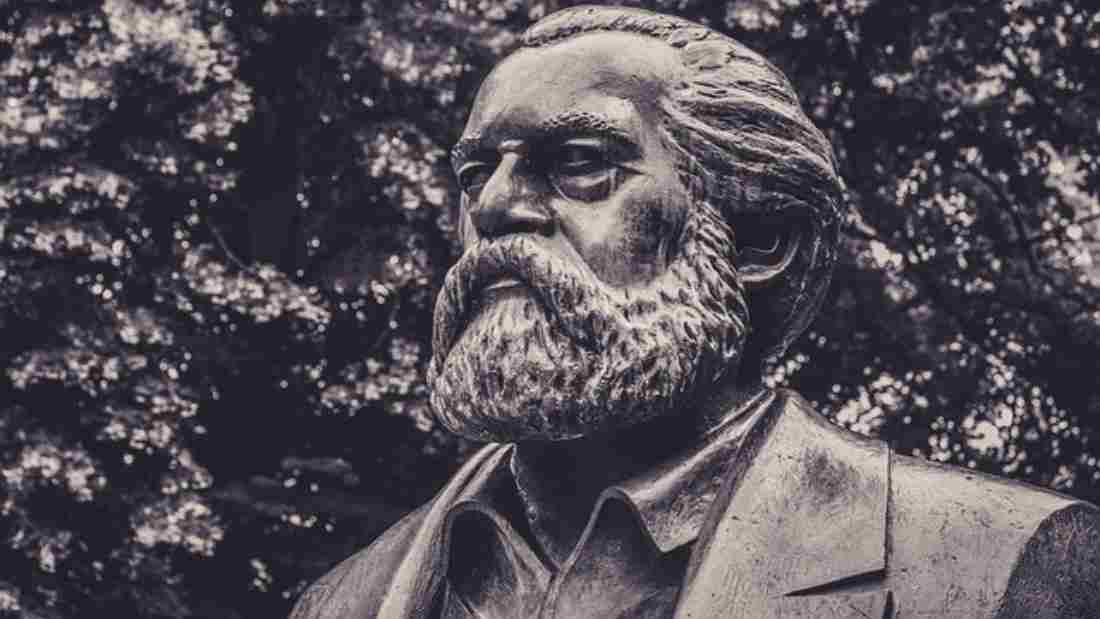
Why did Marxist ideas only start being applied in Anthropology in the last half century, and what are some of the key ideas that influence Materialistic Anthropology?
Materialistic Anthropology, based on Marxist theory, focuses on human practices that result from the material conditions in which the society exists. This meant that there finally was a strong appreciation of the fact that historical transformations resulting from changes in material conditions are of critical importance to understand the underpinnings of a society
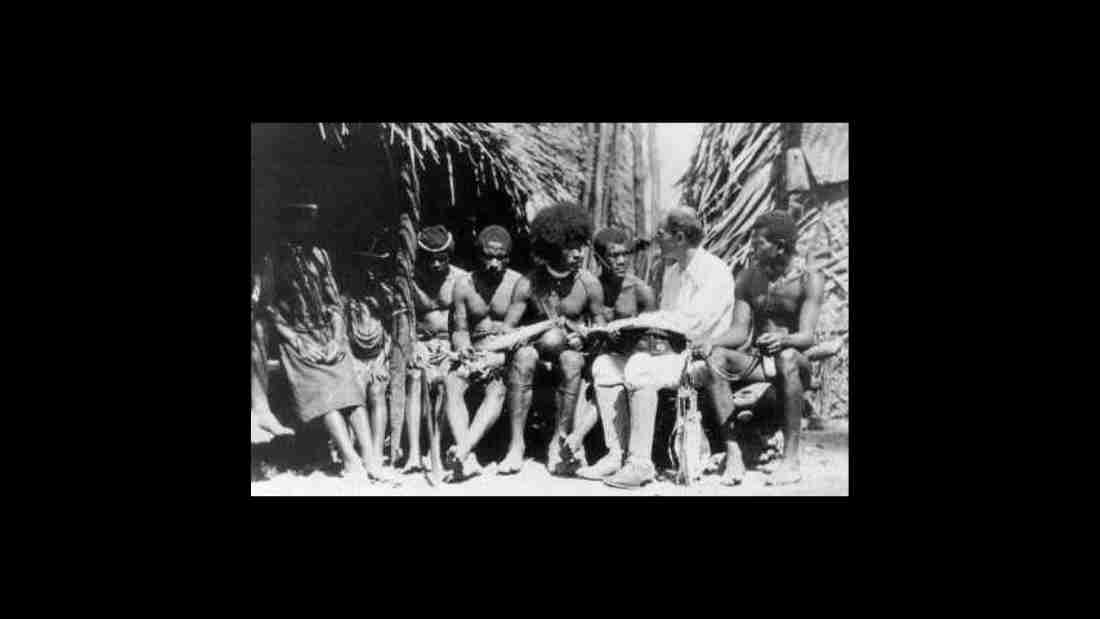
Bronislaw Malinowski, the Trobriand people and the Kula
In the early twentieth century the Trobriand people were the subject of an in-depth ethnographic study by Bronislaw Malinowski. The anthropologist lived on Mailu Island for several years. He learnt their language and interacted with the islanders daily. His stated aim was to understand the “imponderabilia of everyday life” in the tribe.
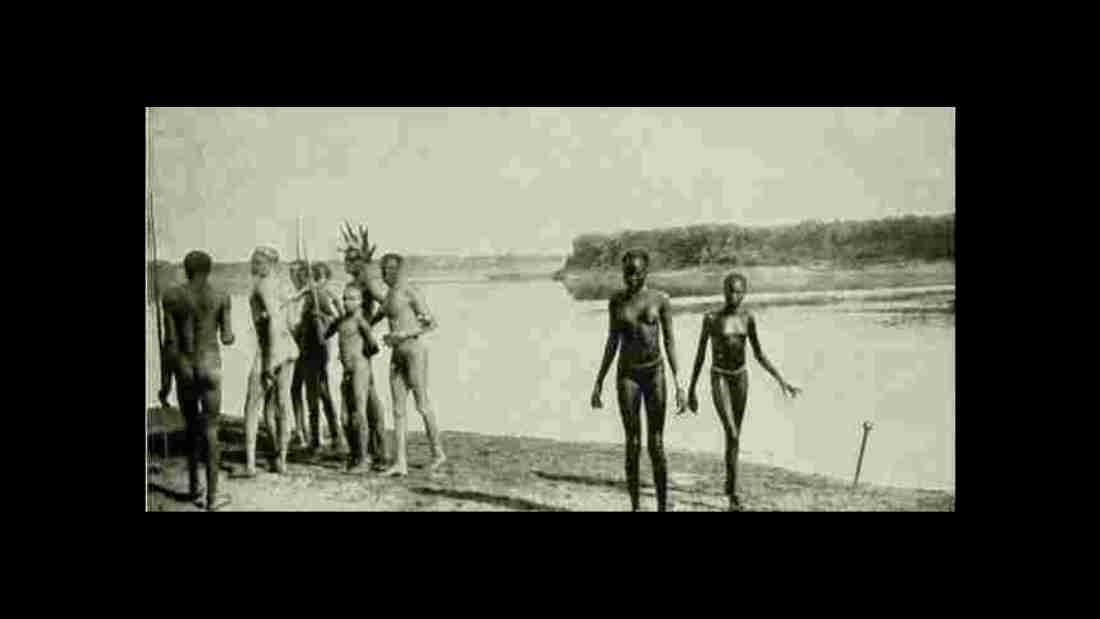
Evans-Pritchard and the Religion of the Nuer
Evans-Pritchard describes the religious beliefs of the Nuer tribe as “spiritual” in that they conceive God to be Kwoth, a “being of true spirit” who is everywhere and in everything. They believe that everything they are and everything they have and everything that happens is so because it is his will.