The Impact of Assisted Reproductive Technologies on Kinship and Marriage

Assisted reproductive technologies have has made different biological constellations of parentage and kinship possible.

Anthropology is the study of humanity. It is a unique academic discipline in that it considers humans from a holistic perspective. This means that it considers all aspects of human life, including physical, cultural, and social dimensions. It is also multi-disciplinary, meaning that it draws on knowledge from a variety of different fields, including archaeology, linguistics, and sociology.
In this series of essays, we will explore some of the most fundamental concepts in anthropology. We will discuss topics such as culture, evolution, language, and religion. These essays are aimed at anyone who wants to learn more about this fascinating field!
Assisted reproductive technologies have has made different biological constellations of parentage and kinship possible.

In a world where the concept of gender and its associated roles have transformed into topics of contention, does it make sense to employ structural models to explain such a complex reality?

While the concepts of generalized utilitarianism and maximization can be broadly assumed to be universal, it is still important to take into consideration different social, cultural and historical contexts.

Anthropology is increasingly promoting the notion migration should be focused on the journey undertaken by people for thousands of years.

While both gift exchange and market exchange involve the exchange of goods or services, their underlying motives and expectations are different.

Since humans are alive, it follows that culture is alive and thus, going through an never-ending process of adaptation.

commodities are goods or services that are produced for exchange and consumption. Their value is determined by market forces such as supply and demand, and they typically have standardized qualities that make them easily transferable.

The classic interpretation of the ‘politics of meaning’ refers to the the ideologies that inform and legitimise domination and resistance in society/polities.
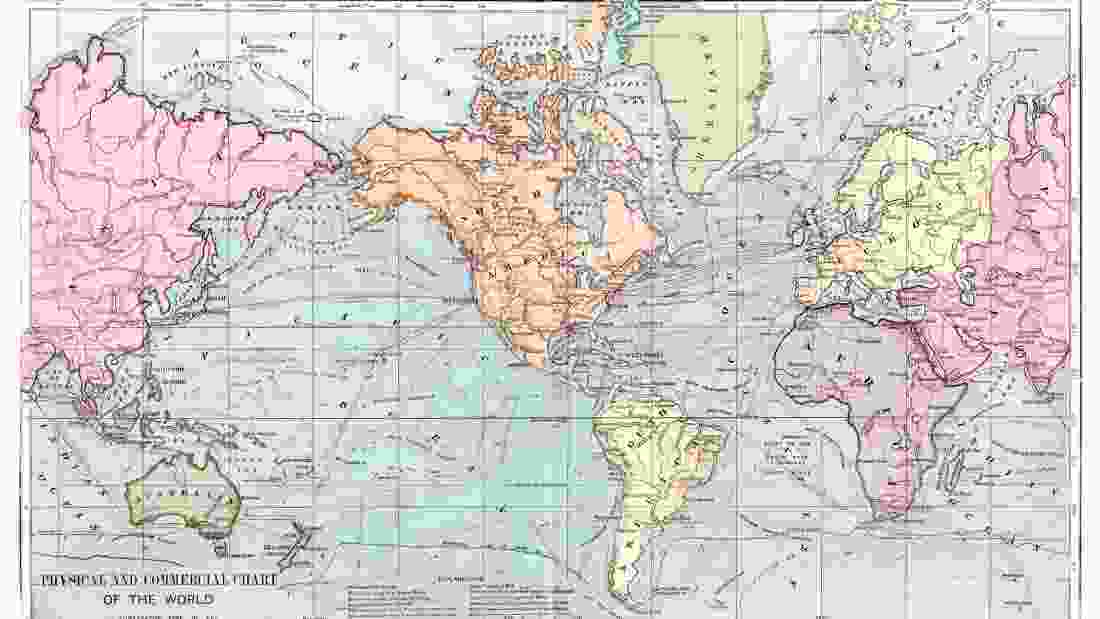
Hidden under the promise of transnational access to capital and investment is nothing but a reconfiguration of the extractive methods predominant during the colonial era.

Unfortunately many projects run by international development organisations are often beset with serious problems that can cause them to fail.