
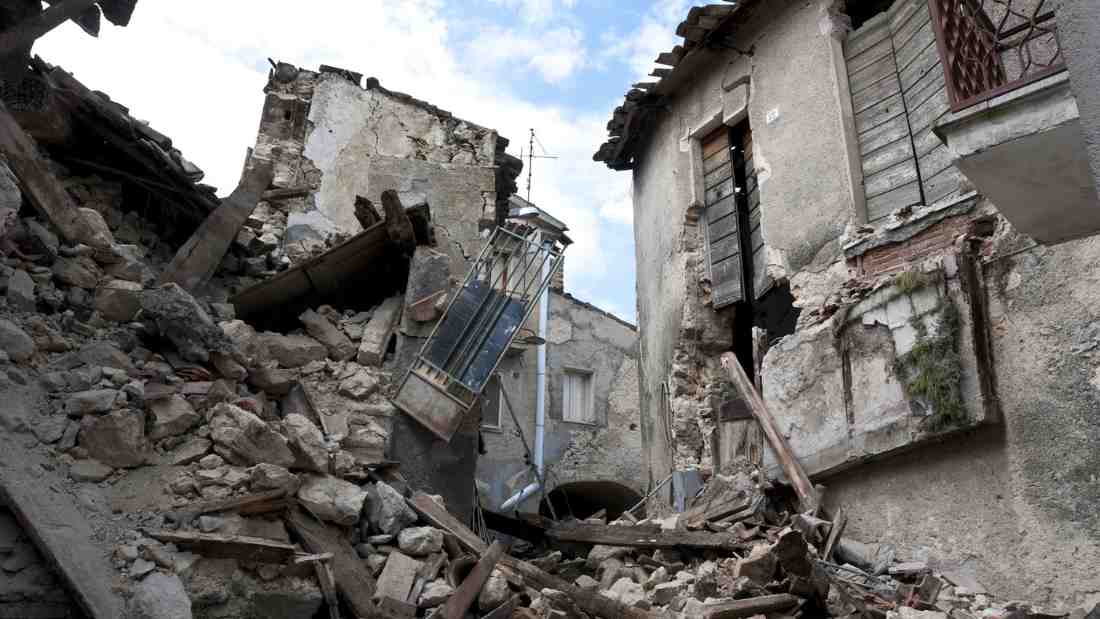
Human existence is plagued by many disasters that burden the daily lives of people. This essay will argue that there is no event that could be labelled as both disastrous and natural.
The latter implies that such occurrences occur organically to all and sundry since nature is not selective (Cannon, 1994), thus seemingly absolving the roles played by human interactions.
However, human realities, constructed by social, political, economic, and spiritual building blocks, determine how an individual or group will most likely experience poignant life events (Oliver-Smith, 1999a).
Through the illustration of the 2010 natural events which took place in Haiti and Chile, which are both found earthquake-prone regions, a discussion on how interdependent human actions result in the systematic manufacturing of vulnerability will be developed.
This essay will be referring to the degree to which an individual or group is able to negotiate their situation when discussing vulnerability (Wisner, et al. 2004).
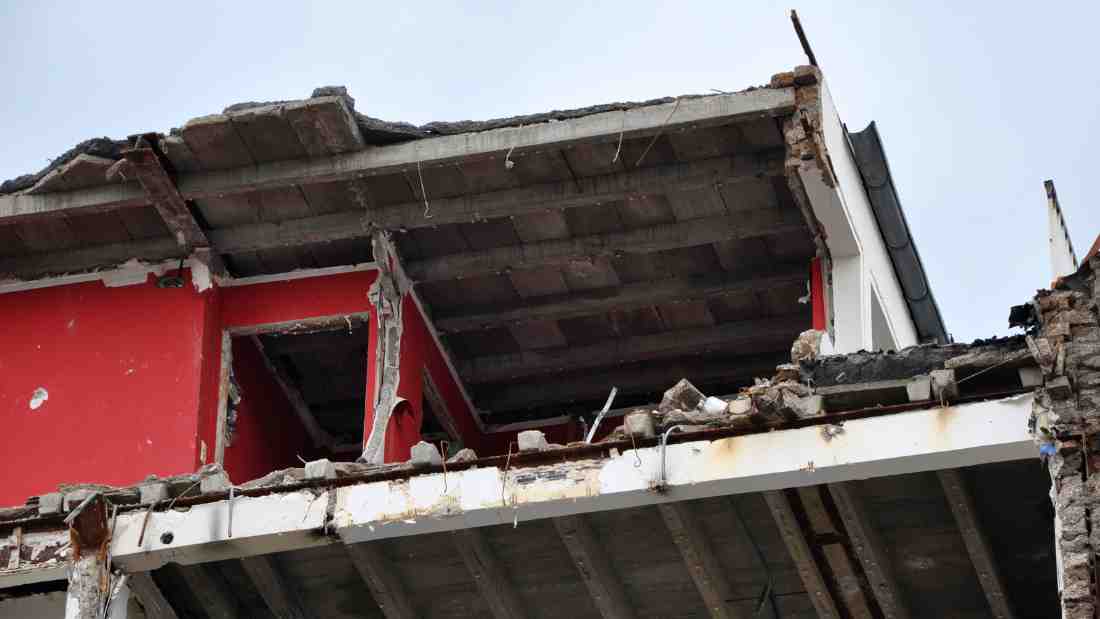
Natural disasters can be thought of as a “complex mix of natural hazards and human action” (p.5, Wisner et al., 2004) and thus these elements must be studied in relation to one another in order to enrich our understanding of why disasters ensue.
To this end, this essay will consider the historical, social, economic and political implications which lead to vulnerability, thus showcasing the structural violence (Galtung, 1969) which leads different individuals to possess a varying level of exposure to hazards and access to resources (Cannon, 1994).
Disaster as Context
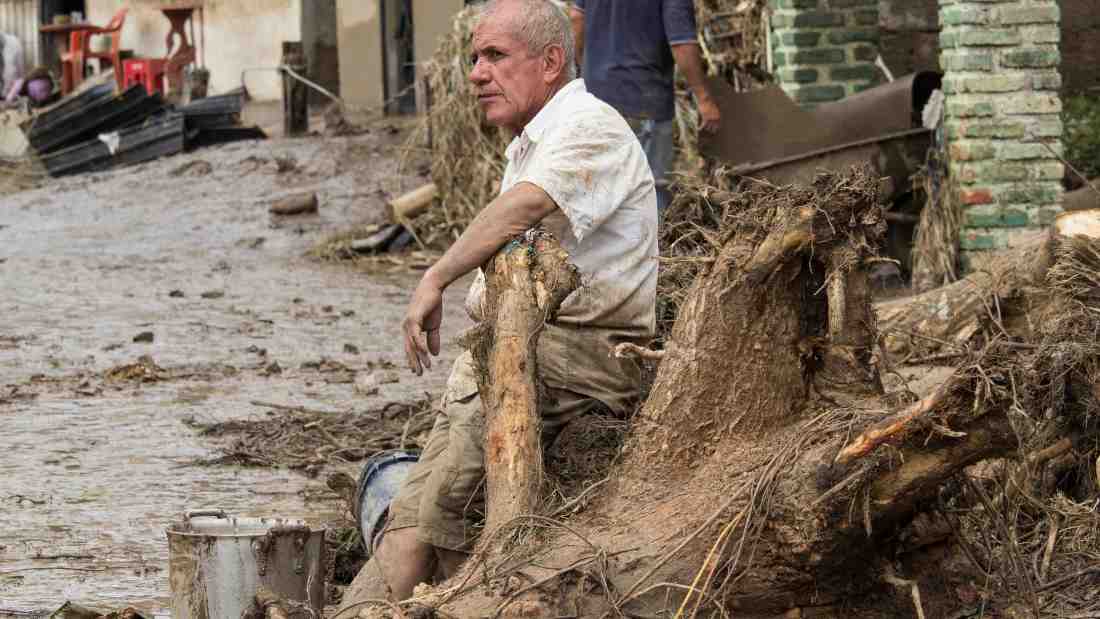
Studying ‘natural disasters’ as though they occur in a vacuum is a nuisance. Both the conception of these natural events as momentary disorders or as post-disaster chaos are unrealistic (Oliver-Smith, 1999a; 1999b).
Those who experience large-scale disasters resulting from natural hazards are typically individuals and groups who have been living in crisis situations for an extended period of time (Faas, 2016).
In his aptly named chapter, Peru’s Five-Hundred-Year Earthquake, Oliver-Smith (1999b) details the ways in which the repercussions of colonisation, unstable economic climates, political grievances, and bad infrastructure led to the catastrophe of the 1970 Great Peruvian Earthquake which was subsequently handled with further mismanagement that persisted for decades.
Oliver-Smith (1999b) reveals the statement, “First the earthquake, then the disaster” (p.86) which was being used to refer to the misallocation of relief but he held that this sentiment could be used to describe the aftermath of the earthquake.
This shows that turbulence existed before, during and after the disaster, thus proving human interference in its creation.
A similar attitude seems to be shared by those who experienced the 2010 Haiti earthquake since locals tended to forgo the use of the term ‘disaster’ rather, referring to it as the ‘event’ or ‘thing’ which occurred, seemingly marking it as a significant but not a solitary grievance (Schuller, 2016).
This frame of thinking is important in theory and in practice. For example, Haitian female leaders interviewed by Horton (2012) maintained the importance of viewing gender inequality in Haiti in a more comprehensive way, rather than in the post-earthquake context.
They relayed that it is imperative to recognise that the plight of Haitian women has been present for a long time and is not a new development (Horton, 2012).
Through this, the idea that there is a systematic problem, one that is not newly emerging, is transmitted. For this reason, Vigh’s (2008) suggestion to consider crisis as context is useful as it sheds light on the structural violence which is reproduced through vulnerability.
Vulnerability can be understood through structural violence.
Galtung (1969) characterises structural violence by its manifestation through indirect injustices and their potentiality to be avoided.
This potentiality, at least in the case of natural disasters, is increased through a community’s ability to adapt to its environment which Oliver-Smith (1999a) cites as a predictor of how successful the society would be.
Communities that enter into a learning process with their environment to understand it, are strengthened with invaluable knowledge which could greatly avoid disaster through preparation and precaution.
It was this type of generational wealth which was passed down by the Incas before colonisation to avoid disasters from occurring (Oliver-Smith, 1999b).
The loss of such knowledge, and the reluctance to understand the surrounding environment leads to the creation of disasters – which are conceptualised by Oliver-Smith (1999a) as “failure of human culture to protect” (p.28), especially since most likely than not, those in power may recognise the importance of carrying out such an exercise but are more inclined to put their needs first (Cannon, 1994).
In this way, vulnerability is socially, politically and economically produced through intricate power imbalances which are designed and refined through time to maintain the status quo, as it has been documented in the case of Haiti.
Haiti and the Production of Vulnerability
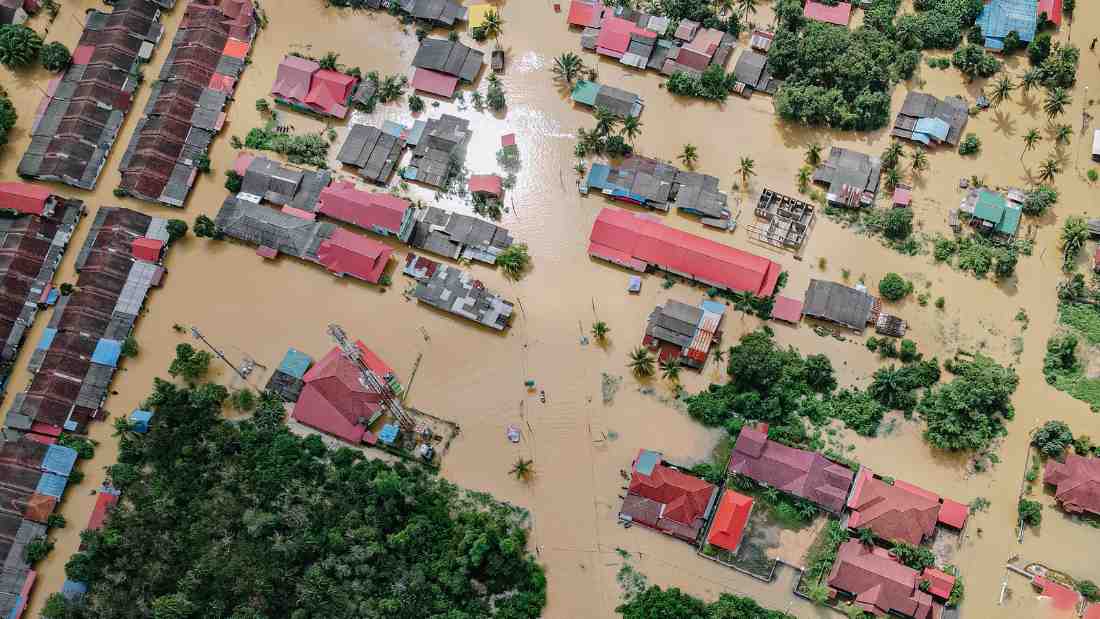
To understand the devastation of 7.0Mw earthquake which hit Haiti on January 12th, 2010 resulting in the death of 222,570 people and which left thousands homeless, one needs to analyse the country’s historical context (Pierre-Louis, 2011).
Prior to its independence in 1804, Haiti was a resource-rich French colony operated by the slave labour of those of African descent and heavily relied on trade.
Following the Haitian Revolution, Haiti became the first Black nation in the West – this was not well-received by other countries and resulted in the international boycott of the newly founded Republic (Pierre-Louis, 2011).
This stunted Haiti’s growth, which was further diminished when France agreed to recognise the State contingent upon the repayment of 150 million French francs as compensation for the losses experienced by the French (Pierre-Louis, 2011).
As a result of this, Haiti spent 80 years repaying this debt rather than building its nation which left the country and its people in a state of destitution with no proper infrastructure or educational system, thus making it susceptible to political and economic turmoil (Pierre-Louis, 2011).
By 2010, Haiti’s political history had been marked by violent and unlawful seizures of power, a 19 year U.S. occupation, and the undermining of democratic processes (Pierre-Louis, 2011).
In his book, Schuller (2016) points to neoliberalism and urban expansion, as rapidly increasing Port-au-Prince’s population since the mid-1980s.
Following the overthrow of the dictator Duvalier in 1986, the policies implemented by the international organizations to promote neoliberalism led to massive failures for the country (Schuller, 2016).
The influx of people into the city led to overcrowding which resulted in the creation of shantytowns, further adding to frustration and sanitation problems characterised by a lack of clean water and sewage system (Tobin, 2013; Schuller, 2016).
Furthermore, many work opportunities in the city, were informal, inconsistent and laborious, not allowing most to make ends meet.
In pursuit of establishing some form of shelter, dwellings were poorly constructed and no building codes were enforced, due to the rapid growth of these areas and due to the government’s blatant corruption (Schuller, 2016).
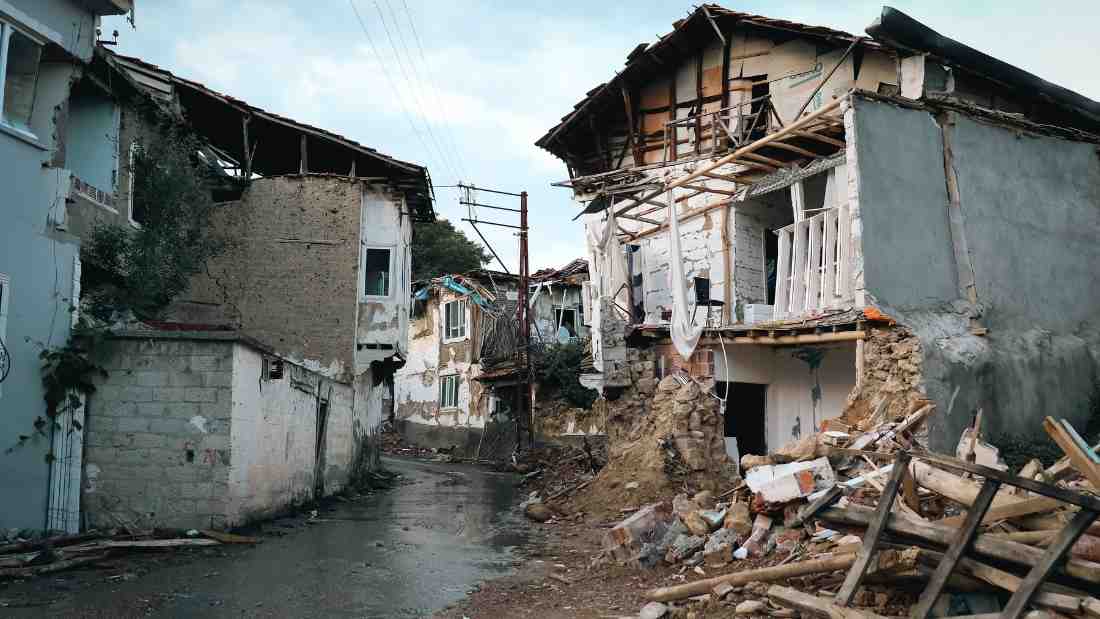
This ill-planned infrastructure posed great danger because of the close proximity of buildings with weak foundations, making it both difficult to escape in time and highly likely that such a building would collapse (Tobin, 2013).
Moreover, even if one were able to survive, earthquakes would most likely render these buildings uninhabitable post-event (Tobin, 2013). This was evident in the high death-toll of Haiti’s earthquake.
The combination of this highly mismanaged system led to increased reliance on nongovernmental organisations (NGOs) and international organisations which were highly involved in the provision of primary needs and services which persisted post-disaster (Tobin, 2013; Schuller, 2015).
Historically, Haitian women faced many hardships fuelled by poverty and violence, and exacerbated by the traditional caring responsibilities which were subscribed to them, thus limiting their options due to their lack of accessibility to sufficient resources and lack of security from physical violence and natural hazards (Schuller, 2015).
Following the earthquake, camps were set up by NGOs for displaced individuals. Schuller (2015) notes that these “became symbols of the failure of the disaster response” (p.198) as it was in these spaces where violence on women mushroomed, highlighting their vulnerability as they were increasingly put at risk.
For example, due to a lack of basic services, such as toilets and sanitary pads, and privacy, women were placed at greater risk of unwanted sexual advances due to being forced to shower in public, adding to their distress as they were subject to undignified conditions (Schuller, 2015; Horton, 2012).
Certain policies which had previously been practiced, such as providing money to the women in the family rather than the men, as they were more likely to spend it appropriately, made them greater targets (Schuller, 2015).
In such ways, the receiving of aid becomes highly gendered, placing women in dangerous situations. This is further aggravated by the fact that men made up the majority of those who sat on aid committees thus lacking proper representation for women.
This placed men in a greater position of power where these committee members offered food tokens in exchange for sex (Schuller, 2015).
The vulnerability of Haitian women and the physical and structural violence that they have endured points back to the fact that such disasters are historically orchestrated.
Chile and Social Capital
On 27th February, 2010, six and a half weeks after the Haitian earthquake, Chile was stuck by a high-magnitude earthquake, measured at 8.8 Mw which was followed by a tsunami resulting in a death toll of 525 people (UNDRR, 2023).
The close temporal proximity, and Chile’s low death toll following the earthquake and tsunami in comparison with Haiti, despite experiencing a much stronger magnitude opens a conversation on what is to be perceived as a disaster, what these events may reveal about a society, and certain vulnerabilities which may be not be so obvious.
The major difference between these two natural events is the fact that whilst Chile was known to follow building codes in a strict manner, and adhere to seismic-resistant standards, Haiti did not (UNDRR, 2023).
However, Chile’s earthquake revealed certain disruptions within the social dimension of communities living in certain areas, further proving that when studying disasters it is not enough to look at environmental factors as they are “totalizing events” (p.20) which untangle societal frameworks to display cracks and inequalities (Oliver-Smith, 1999a).
Arbour et al. (2011) report that Chile’s inequality grew with the country’s economy as low socio-economic status at birth most likely persisted to adulthood.
Following the natural events, there were reports of pillaging in the city of Concepción – a strange occurrence following a traumatic event, as people typically tend to come together, thus indicating that something was amiss (Dussaillant and Guzmán, 2014).
Dussaillant and Guzmán (2014) approach this phenomenon by exploring the city’s social capital – the ability to create various different kinds of organisations that allow their members to interact and work together based on the values of sharing, reciprocal confidence, and collaboration.
For this to occur, people need to recognise each other’s needs and values, fostering a space in which trust can grow.
They found that whilst social capital is low throughout Chile, they are even lower in the region of Concepción (Dussaillant and Guzmán, 2014). It is important to recognise that vulnerability might not always look like what one would expect at face value.
Sehnbruch et al. (2017) discuss the importance of state planning ahead of emergencies, especially in the case of low-income households who do not have the same access to resources.
Interestingly, they note that it is Chile’s middle-class, who seem to be vulnerable too (Sehnbruch et al., 2017). They explain that these households were not entitled to reconstruction aid, despite losing their homes (Sehnbruch et al., 2017).
This has been explored further by Engel (2015) who found that middle-class households in Chile were significantly susceptible to the effects of the earthquakes and tsunami. Engel (2015) elaborates that this ‘middle-class’ group does not fit into the typically imagined affluent household, rather they are neither poor nor well-off.
This was a newly emerging group which found itself in the middle, as whilst it had many burdens and debts that could easily destroy their financial stability, they were not eligible for government benefits as they were making enough income to build up their lives.
Their debt largely constituted of money tied up in education and medical insurance which in turn, seem to have been further pursued as a societal expectation adopted as a result of their new roles within society.
The study, which was based in Talcahuano, Chile found that their neighbourhoods were built haphazardly without proper services and infrastructure but were accepted by the Chilean government due to urbanisation which caused the need for more residences and thus the erection of buildings which were exposed to risk despite previously being barred by the State (Engel, 2015).
These families claim that they had no knowledge of the degree of exposure their properties were placed in, assuming that it would have not been regulated by the government otherwise (Engel, 2015).
The study found that these residents had no intention of leaving their properties which they worked so hard and sacrificed so much for.
Asking for government assistance for the reconstruction process was not an attractive option as they would be losing their social and political capital, claiming that have laboured for too long to be in need of relief (Engel, 2015).
In this way, this group is considered vulnerable due to the system in which they live and work and the location of their residence, however they choose to remain invisible due to their socially constructed value system.
This leads to this emerging group not being very resilient since their financial situation could easily deteriorate and thus leaving them unable to negotiate their situation in a disaster context.

Conclusion
The disasters which follow seismic events, as seen in the context of Haiti and Chile, are not natural; rather they are produced by a human action which acts upon another human action resulting in the catastrophic effects on those who have been made vulnerable.
Whilst nature is not selective, its power is to be respected and recognised in order to avoid the destruction of human life.
Haiti’s case, exhibits the historical and social construction of vulnerability which resulted in the poor construction and subsequent loss of shelter and the great injustices suffered by women who are left to suffer many grievances that could be avoided through consideration and preparation.
The context in Chile shows that while the number of those who could have lost their lives due to earthquake was greatly diminished due to the enforcement of building codes, there are still great disruptions in the social and economic dimensions of the country which perpetuate vulnerabilities.
Therefore, disasters are brought about when vulnerable groups are put at risk which is a form of structural violence.
References
Arbour, M., Murray, K., Arriet, F., Moraga, C., and Cordero Vega, M., 2014. Lessons from the Chilean earthquake: How a human rights framework facilitates disaster response. Health and Human Rights, 13(1), pp. 62-73.
Cannon, T., 1994. Vulnerability Analysis and The Explanation of ‘Natural’ Disasters. In: A. Varley, ed. Disasters, Development and Environment. New Jersey: Wiley, pp. 13-30.
Dussaillant, F., and Guzmán, E., 2014. Trust via disasters: the case of Chile’s 2010 earthquake. Disasters, 38(4), pp. 808−832.
Engel, K.E., 2016. Talcahuano, Chile, in the wake of the 2010 disaster: A vulnerable middle?. Nat Hazards, 80, pp. 1057-1081.
Faas, A.J., 2016. Disaster vulnerability in anthropological perspective. Annals of Anthropological Practice, 40(1), pp. 14-27.
Galtung, J., 1969. Violence, Peace, and Peace Research. Journal of Peace Research, 6(3), pp. 167-191.
Horton, L., 2012. After the earthquake: gender inequality and transformation in post-disaster Haiti. Gender & Development, 20:2, pp. 295-308.
Oliver-Smith, A., 1999a. “What is a Disaster?”: anthropological perspectives on a persistent question. In: A. Oliver-Smith, S.M. Hoffman, eds. The Angry Earth: Disaster in Anthropological Perspective. London: Psychology Press, pp. 18-34.
Oliver-Smith, A., 1999b. Peru’s Five-Hundred Year Earthquake: vulnerability in historical context. In: A. Oliver-Smith, S.M. Hoffman, eds. The Angry Earth: Disaster in Anthropological Perspective. London: Psychology Press, pp. 74-88.
Pierre-Louis, F., 2011. Earthquakes, Nongovernmental Organisations, and Governance in Haiti. Journal of Black Studies, 42(2), pp. 186-202.
Schuller, M., 2015. “Pa Manyen Fanm Nan Konsa”: intersectionality, structural violence, and vulnerability before and after Haiti’s earthquake. Feminist Studies, 41(1), pp.184-210.
Schuller, M., 2016. Humanitarian Aftershocks in Haiti. In: Haiti’s Unnatural Disaster. New Jersey: Rutgers University Press, pp. 19-43.
Sehnbruch, K., Agloni, N., Imilan, W., and Sanhueza, C., 2017. Social Policy Responses of the Chilean State to the Earthquake and Tsunami of 2010. Latin American Perspectives, 44(4), pp. 24-40.
Tobin, K.A., 2013. Population Density and Housing in Port-au-Prince: Historical Construction of Vulnerability. Journal of Urban History, 39(6), pp. 1045-1061.
UNDRR, 2023. Natural disasters do not exist [Online]. PreventionWeb. Available from: https://www.preventionweb.net/risk-media-hub/natural-disasters-do-not-exist [Accessed 1 August 2024].
Vigh, H., 2008. Crisis and Chronicity: anthropological perspectives on continuous conflict and decline. Ethnos, 73(1), pp. 5-24.
Wisner, B., Blaikie, P., Cannon, T., and Davis, I., 2004. The Challenge of Disasters and Our Approach. In: At Risk. 2nd edn. New York: Routledge, pp. 3-47.

Hannah Cassar holds a Bachelor of Arts (Hons) in Anthropology from the University of Malta, and is currently pursuing a Master of Science in Humanitarianism, Conflict, and Development at the University of Bath.
She is a Research and Policy Officer with the Malta Further and Higher Education Authority, and also a council member of the Malta Anthropological Society, where she focuses on promoting research and awareness about anthropology, facilitating discussions and events that engage the public in anthropological topics and foster a greater appreciation for the discipline.