The Anthropology of Organized Crime – The Study of a Multifaceted Global Phenomenon

Anthropologists study organized crime in a number of ways, including ethnographic research, participant observation and interviews.

Anthropologists study organized crime in a number of ways, including ethnographic research, participant observation and interviews.
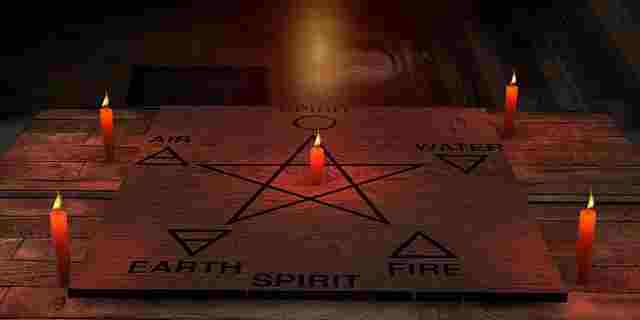
In the early days of anthropology, magic & witchcraft were seen as evidence of the primitive nature of the societies in which they were found

Appadurai (1990) describes the “global cultural economy” as consisting of “complex” and “overlapping” dimensions that co-exist and intermingle but are often disconnected from each other.
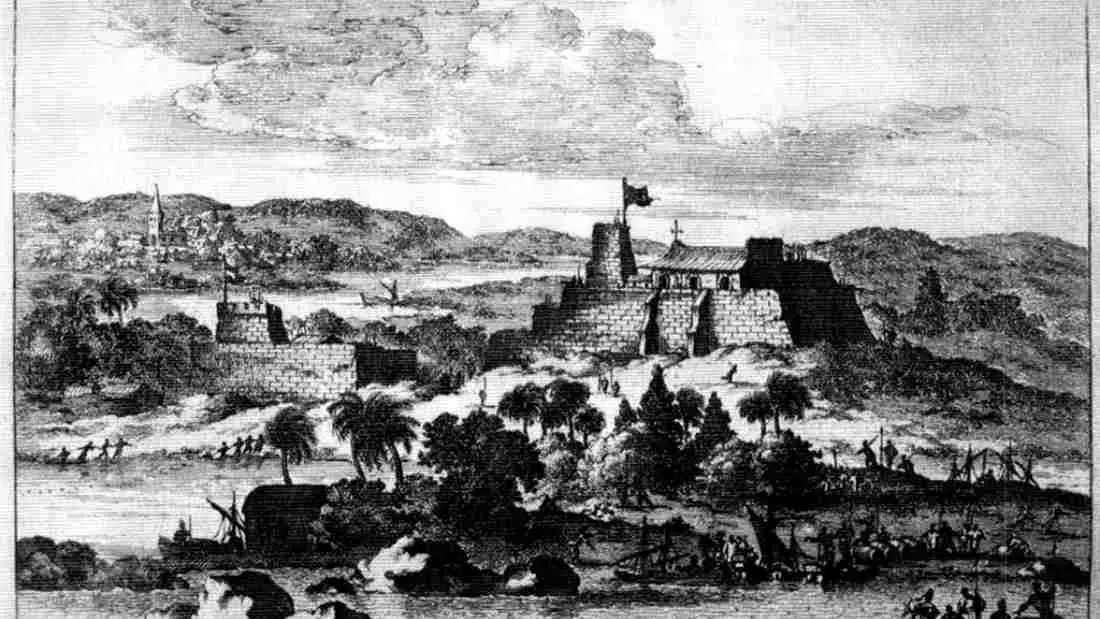
The Wari culture, a pre-Inca Middle Horizon civilization that thrived in the south-central Andes and coastal region of present-day Peru from roughly AD 500 to AD 1000, was considered to have built the site as a royal cemetery.
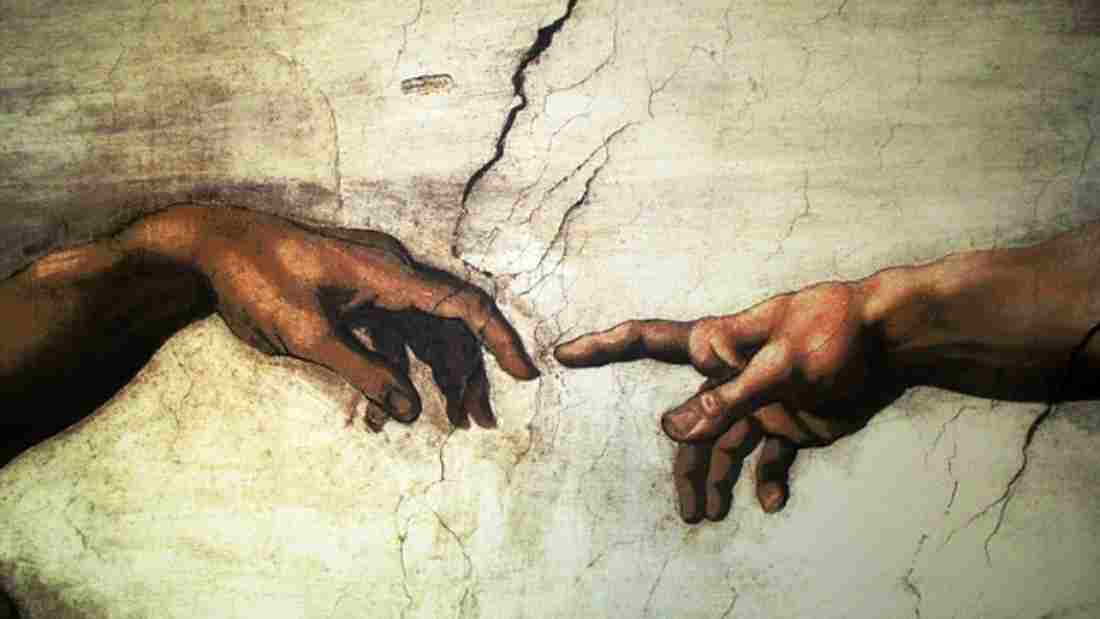
Representations of the divine have proven to be a lightning rod for people of different ideologies and has thus been linked to much destruction and violence over the millennia, including the twenty-first century.

One of the most important functions of “bordering” is the creation of a narrative of unity and homogeneity within the territory, while at the same time portraying the people beyond the border as different, a concept known as “othering.”

Borders can be said to be violent because of the way they are drawn, the way they are enforced, and the psychological and economic effects they have on people.

The rise of Assisted Reproductive Technologies (ARTs) have caused a seismic shift in the study of kinship in anthropology.
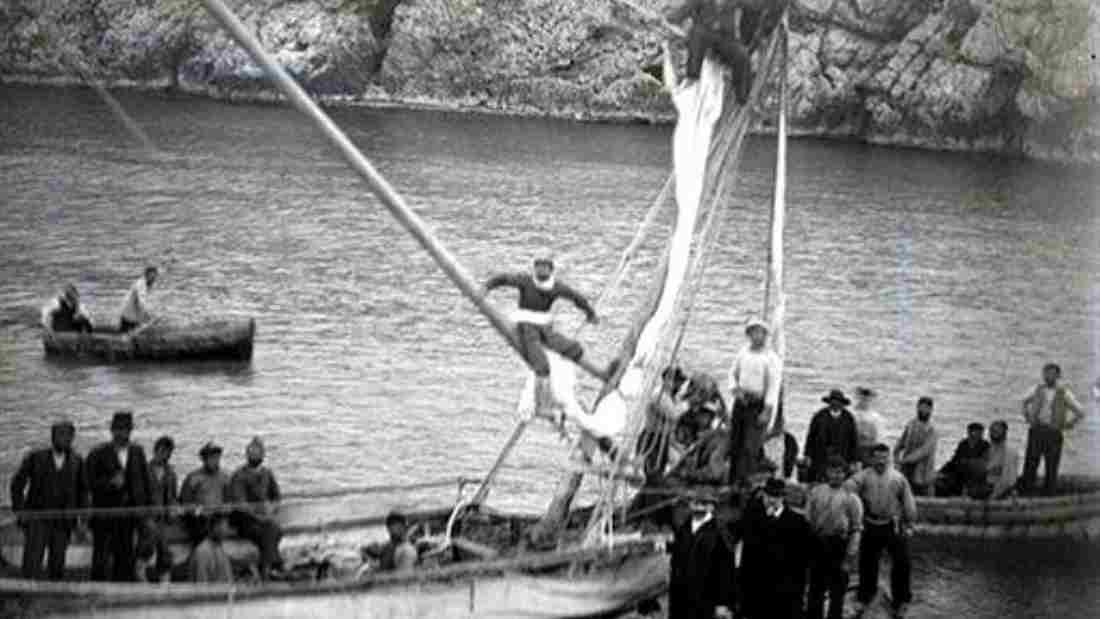
The Antikythera Wreck, or Ναυάγιο των Αντικυθήρων in Greek, is a shipwreck from the Roman era that occurred in the second quarter of the first century BC.

The raison d’etre for the existence of the marriage payments, and the underlying assumptions about the value of women differ considerably in societies where bridewealth payments are made upon marriage, as opposed to those where a dowry payment is the custom.