
Claudine Cassar began her professional journey in business, earning a BSc in Business and Computing from the University of Malta, followed by an MSc in International Marketing from the University of Strathclyde and an MPhil in Innovation from Maastricht Business School. At the age of 23, she founded her first company, which she successfully sold to Deloitte 17 years later.
At 45, Claudine made a bold career shift, returning to university to pursue a degree in Anthropology. Three years later, she graduated with a BA (Hons) in Anthropological Sciences from the University of Malta.
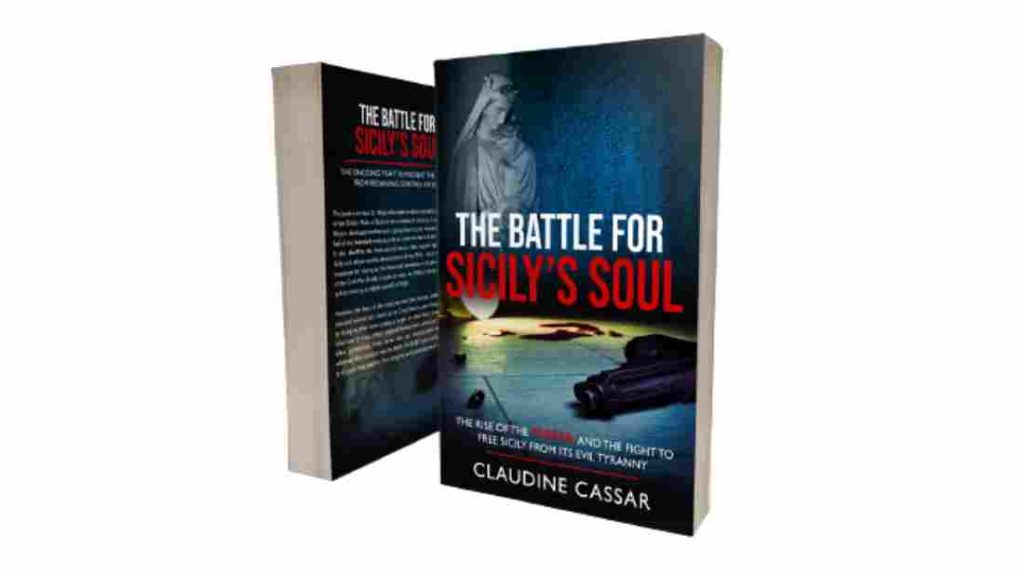
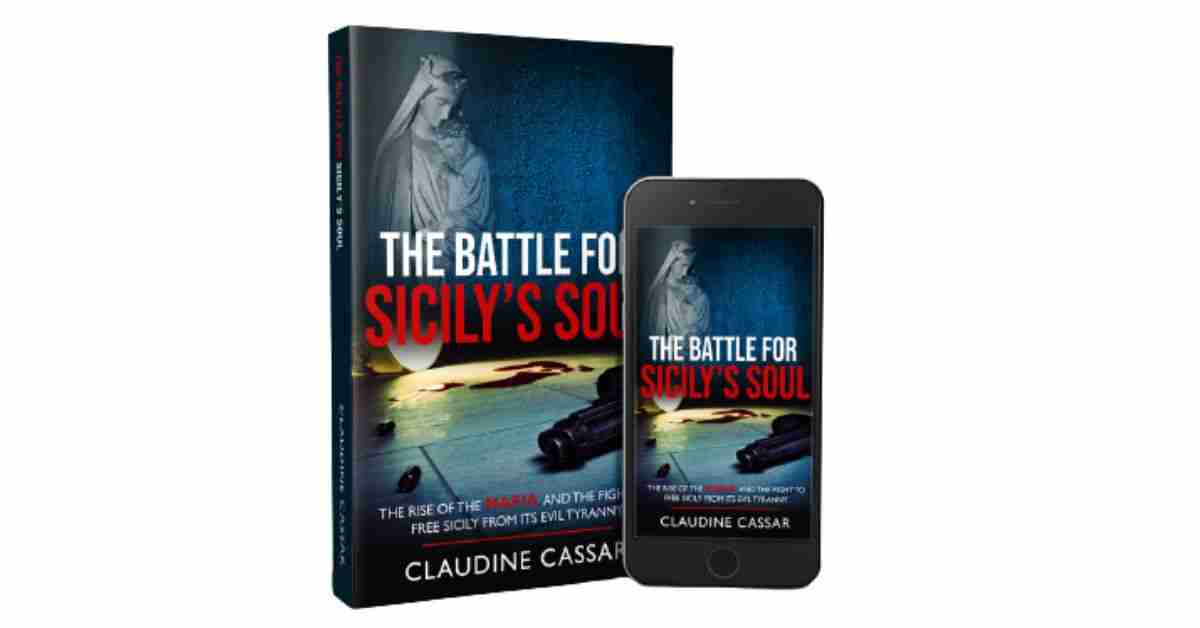
In 2022, she published her debut book, “The Battle for Sicily’s Soul“, which describes the history of the Sicilian Mafia from its beginnings in the 1800s to the present day and provides an in-depth look at the impact that Cosa Nostra has had on the Sicily’s culture and society.
Articles by Claudine Cassar

Amoral Familism – Prioritising the Family over Moral Principles
Amoral familism is a social anthropological concept that is based on the idea that family ties are more important than anything else, including the law.
The Basics of Behaviourism – Understanding the Key Principles
Behaviourism is a psychological perspective which posits that all behaviour can be explained by environmental factors & learning experiences
How Mafia Organizations use Rituals as a Weapon
The use of rituals is a key part of how mafia organizations maintain power and control. By instilling loyalty and obedience in members, and by reinforcing the boss’s position of authority, these rituals help to ensure that the organisation runs smoothly and efficiently.
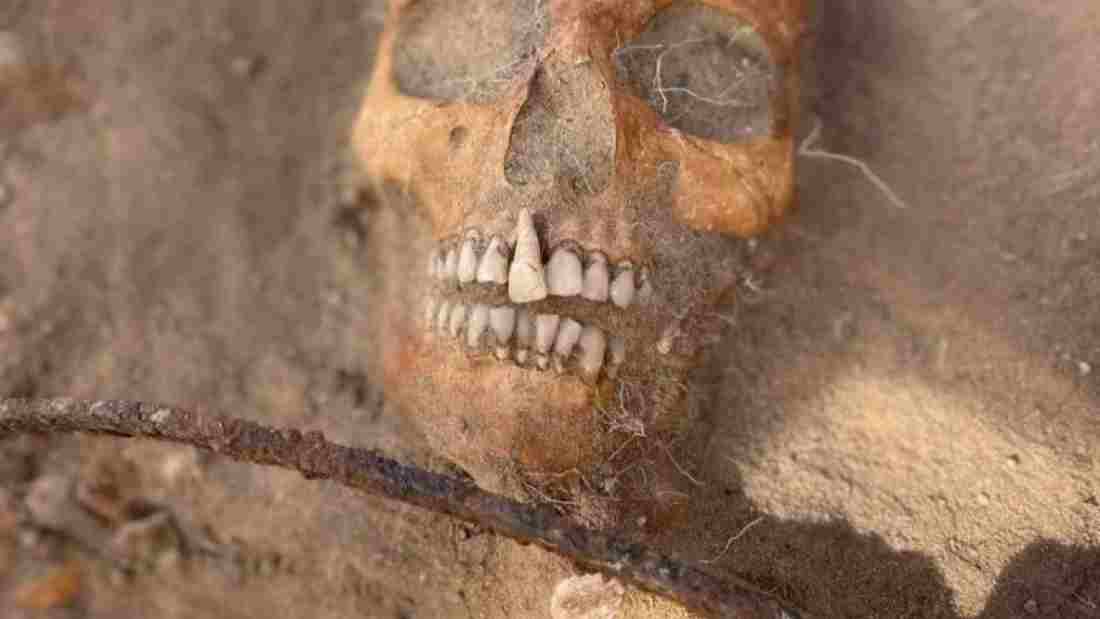
Archaeologists Discover Skeleton of Female Vampire in Poland
It was not laid flat but placed on the neck in such a way that if the deceased had tried to get up, most likely the head would have been cut off or injured. As for the padlock on the big toe, this symbolizes the closing of a stage and the impossibility of returning.
Alliance Theory – Understanding the Formation and Maintenance of Social Ties between Groups
Alliance theory is a social anthropological model that proposes that alliances between groups are formed and maintained based on the benefits that can be gained from them.
Family Formation Processes – Discuss the shift from the traditional nuclear family to the contemporary, often increasingly, ‘unclear family’ (Simpson)
In the late nineteenth and early twentieth century, industrialisation in the Western world led to a shift from an agrarian to a “job” based economy, creating employment opportunities that resulted in a tectonic shift in the mechanics of influence within kinship systems in these societies and the associated family formation processes.
The Anthropology of Organized Crime – The Study of a Multifaceted Global Phenomenon
Anthropologists study organized crime in a number of ways, including ethnographic research, participant observation and interviews.
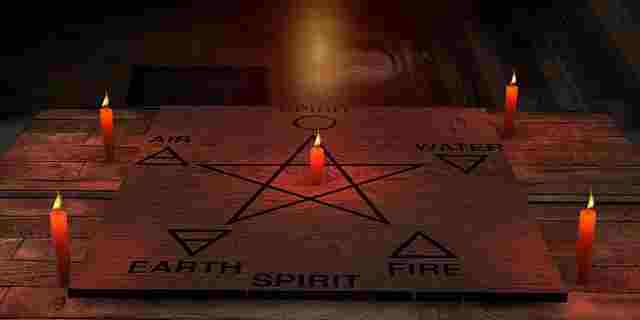
Is the belief in magic and witchcraft an example of irrational mystical thinking that characterises pre-modern society?
In the early days of anthropology, magic & witchcraft were seen as evidence of the primitive nature of the societies in which they were found
By drawing on a relevant case study, discuss how global migration contributes to the ‘global cultural economy’ (Appadurai 1990)
Appadurai (1990) describes the “global cultural economy” as consisting of “complex” and “overlapping” dimensions that co-exist and intermingle but are often disconnected from each other.
Castillo de Huarmey Necropolis in Peru
The Wari culture, a pre-Inca Middle Horizon civilization that thrived in the south-central Andes and coastal region of present-day Peru from roughly AD 500 to AD 1000, was considered to have built the site as a royal cemetery.