Hospitality as a discourse for managing the inclusion of migrants within Southern European States and societies

Hospitality as a discourse for managing the inclusion of migrants within Southern European States and societies

While uttering empty rhetoric of hospitality designed to indicate that the country is meeting its moral obligations, the State turns a blind eye to the abuse of migrants who have been put with their backs against the wall, afraid of the repercussions should they complain about the situation they find themselves in, or the fact that their rights, as defined by international humanitarian laws, are being trampled upon.

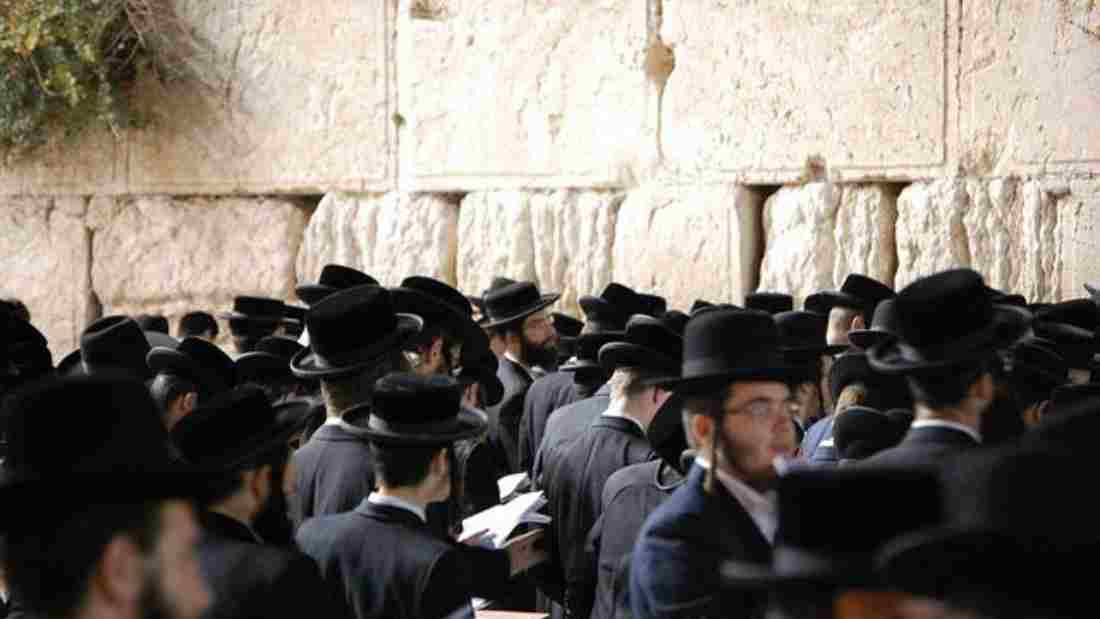
Hasidic Jews – the origins and growth of Hasidism

Hasidic Jews - the origins and growth of Hasidism

It has now been over 250 years since the Ba’al Shem Tov sowed the seeds of what has become today a vibrant Hasidic community. What began in a small, impoverished village in the Ukraine has now become an integral part of the ultra-Orthodox community, numbering 1.175M members

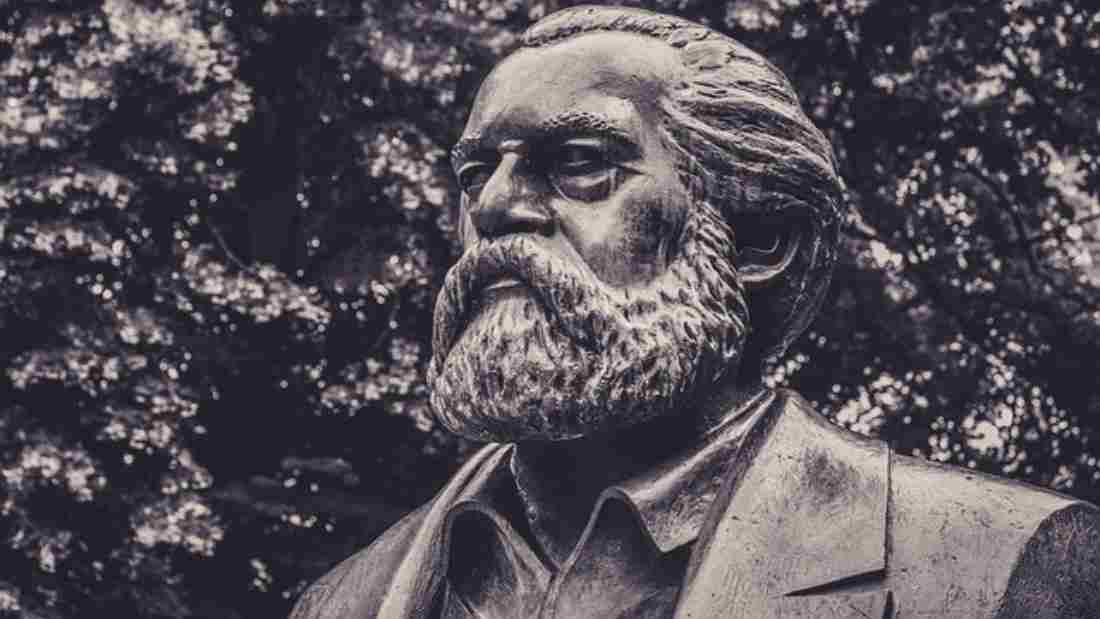
Why did Marxist ideas only start being applied in Anthropology in the last half century, and what are some of the key ideas that influence Materialistic Anthropology?

Why did Marxist ideas only start being applied in Anthropology in the last half century, and what are some of the key ideas that influence Materialistic Anthropology

Materialistic Anthropology, based on Marxist theory, focuses on human practices that result from the material conditions in which the society exists. This meant that there finally was a strong appreciation of the fact that historical transformations resulting from changes in material conditions are of critical importance to understand the underpinnings of a society

Bronislaw Malinowski, the Trobriand people and the Kula

Bronislaw Malinowski, the Trobriand people and the Kula

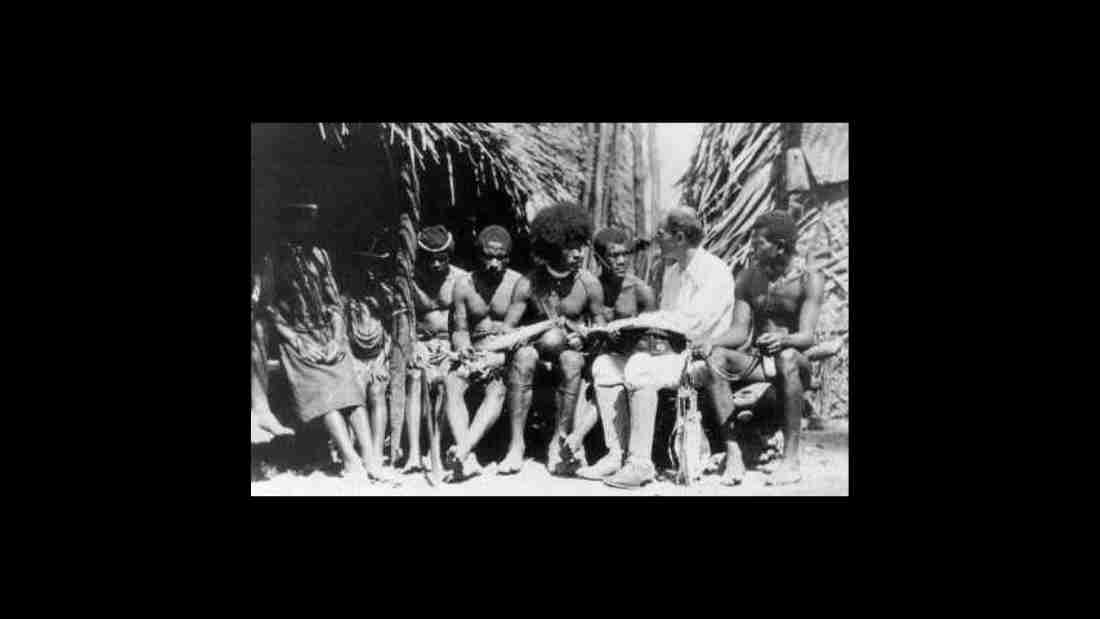
In the early twentieth century the Trobriand people were the subject of an in-depth ethnographic study by Bronislaw Malinowski. The anthropologist lived on Mailu Island for several years. He learnt their language and interacted with the islanders daily. His stated aim was to understand the “imponderabilia of everyday life” in the tribe. 

Evans-Pritchard and the Religion of the Nuer

Evans-Pritchard and the Religion of the Nuer

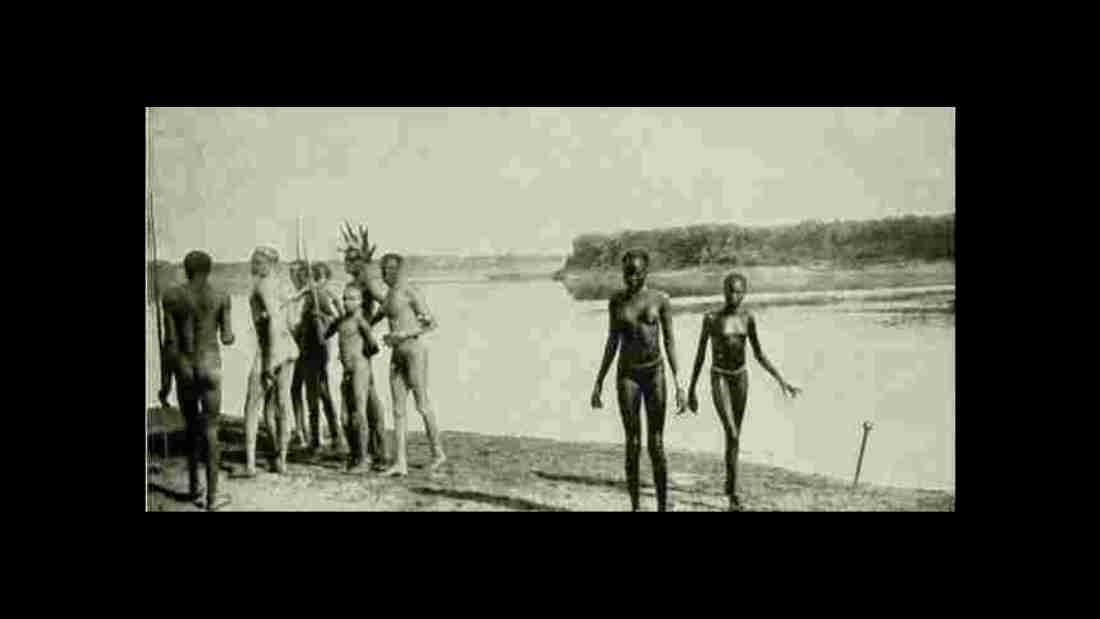
Evans-Pritchard describes the religious beliefs of the Nuer tribe as “spiritual” in that they conceive God to be Kwoth, a “being of true spirit” who is everywhere and in everything. They believe that everything they are and everything they have and everything that happens is so because it is his will.