The Impact of Cultural Factors on International Relations in the Mediterranean
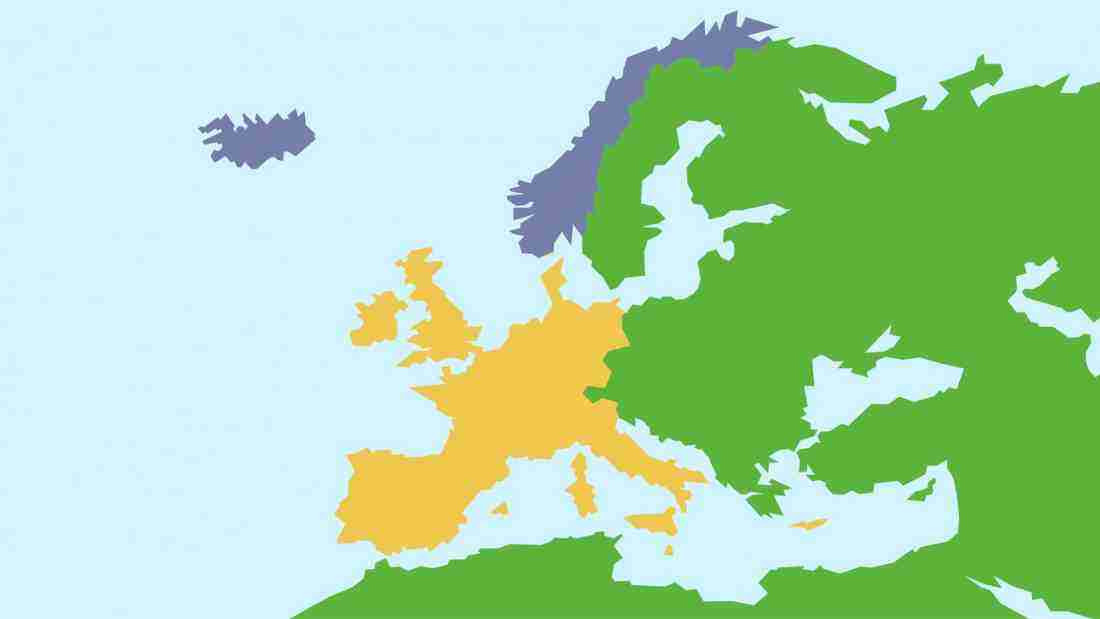
Current political issues in the Mediterranean region are influenced by religion, identity politics, and territorial disputes.

Anthropology is the study of humanity. It is a unique academic discipline in that it considers humans from a holistic perspective. This means that it considers all aspects of human life, including physical, cultural, and social dimensions. It is also multi-disciplinary, meaning that it draws on knowledge from a variety of different fields, including archaeology, linguistics, and sociology.
In this series of essays, we will explore some of the most fundamental concepts in anthropology. We will discuss topics such as culture, evolution, language, and religion. These essays are aimed at anyone who wants to learn more about this fascinating field!
Current political issues in the Mediterranean region are influenced by religion, identity politics, and territorial disputes.

In the recent 78th session of the UNGA, Greek Prime Minister Kyriakos Mitsotakis gave a speech in which he addressed a number of topics and pertinent issues regarding Greek foreign policy.

The concept of intersectionality increases the visibility of the inequalities and type of discrimination a certain group may face due to the varying characteristics and labels which dictate their lives (Slip, 2018).
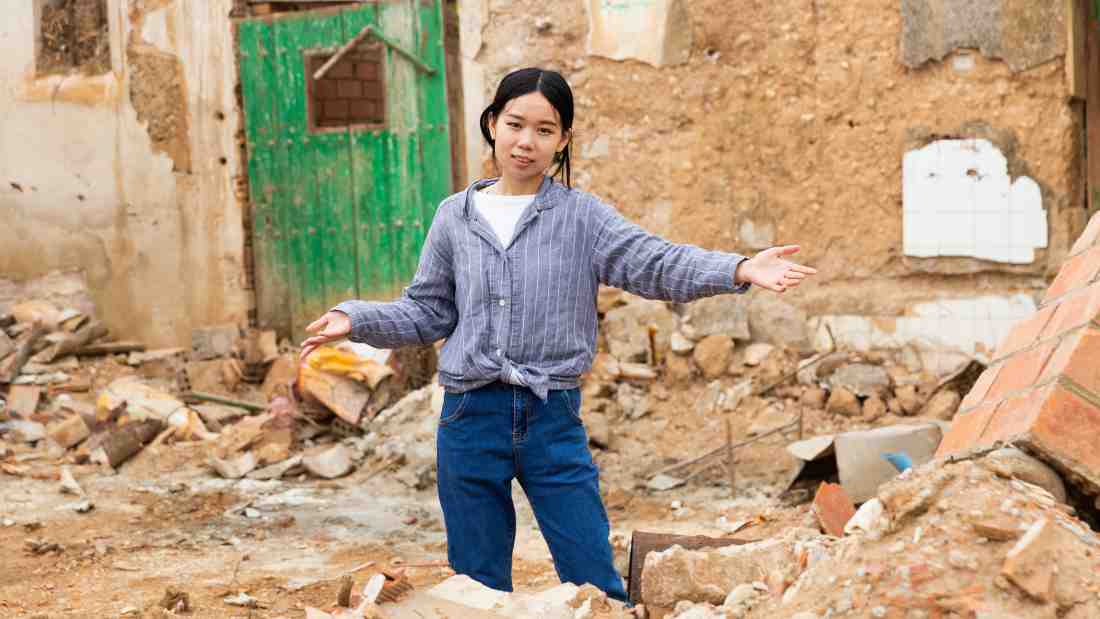
The social dimension of ‘natural disasters’ reveals that for a hazard to become a crisis that evolves into a disaster, a series of events must ensue to orchestrate the devastating outcome.

Whilst wars may seemingly be fought to amass economic and political assets, they may actually be driven by other factors, particularly identity politics which dominate a big platform of the global conversation nowadays.
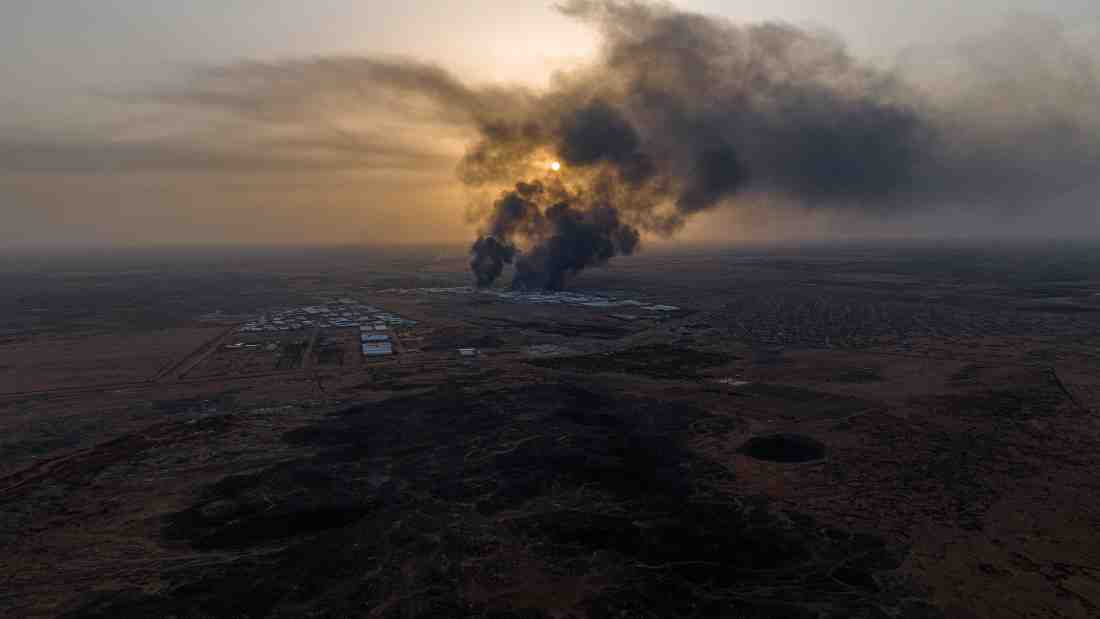
Our realities are constructed through the retelling of events, where particular elements of an experience may be highlighted and others may be discarded – narratives and their framing shape the world we live in.
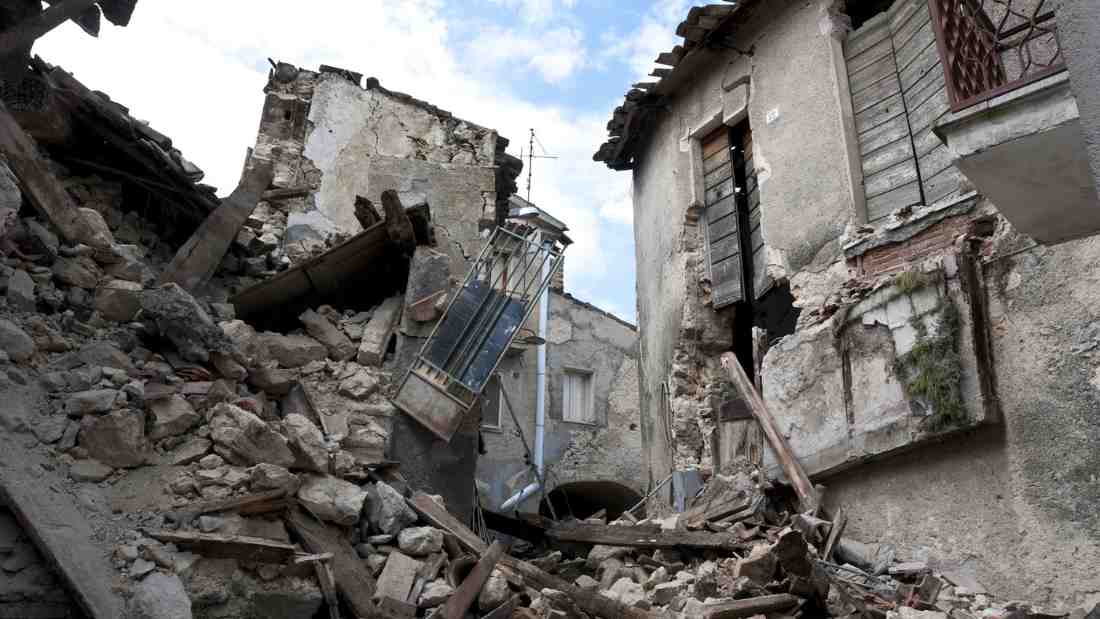
The disasters which follow seismic events, as seen in the context of Haiti and Chile, are not natural; rather they are produced by a human action which acts upon another human action resulting in the catastrophic effects on those who have been made vulnerable.

Marx’s theory of alienation is the most prominent idea in his early writings, where he discussed the four ways in which alienation is experienced by the wage labourer.
If one only looks at domination, without also considering the countering forces of resistance, one ends up with a one-dimensional view of the power relations in a society.
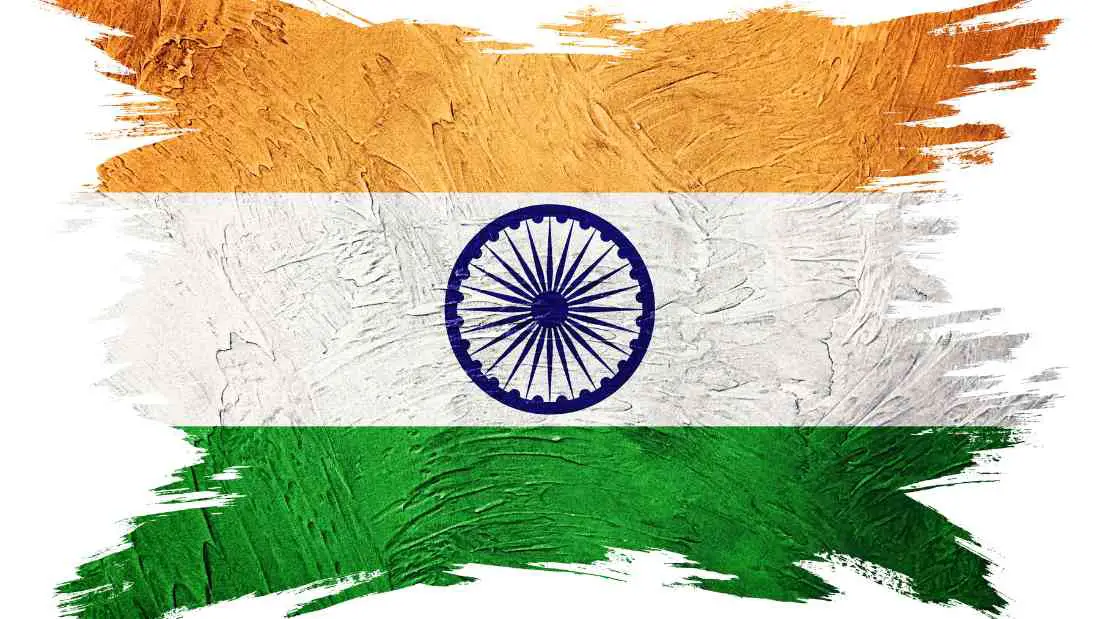
Caste discrimination and segregation were rendered illegal over half a century ago, yet its power inequalities continue to impact the lives and opportunities of millions of Indians to this day.